Meaning
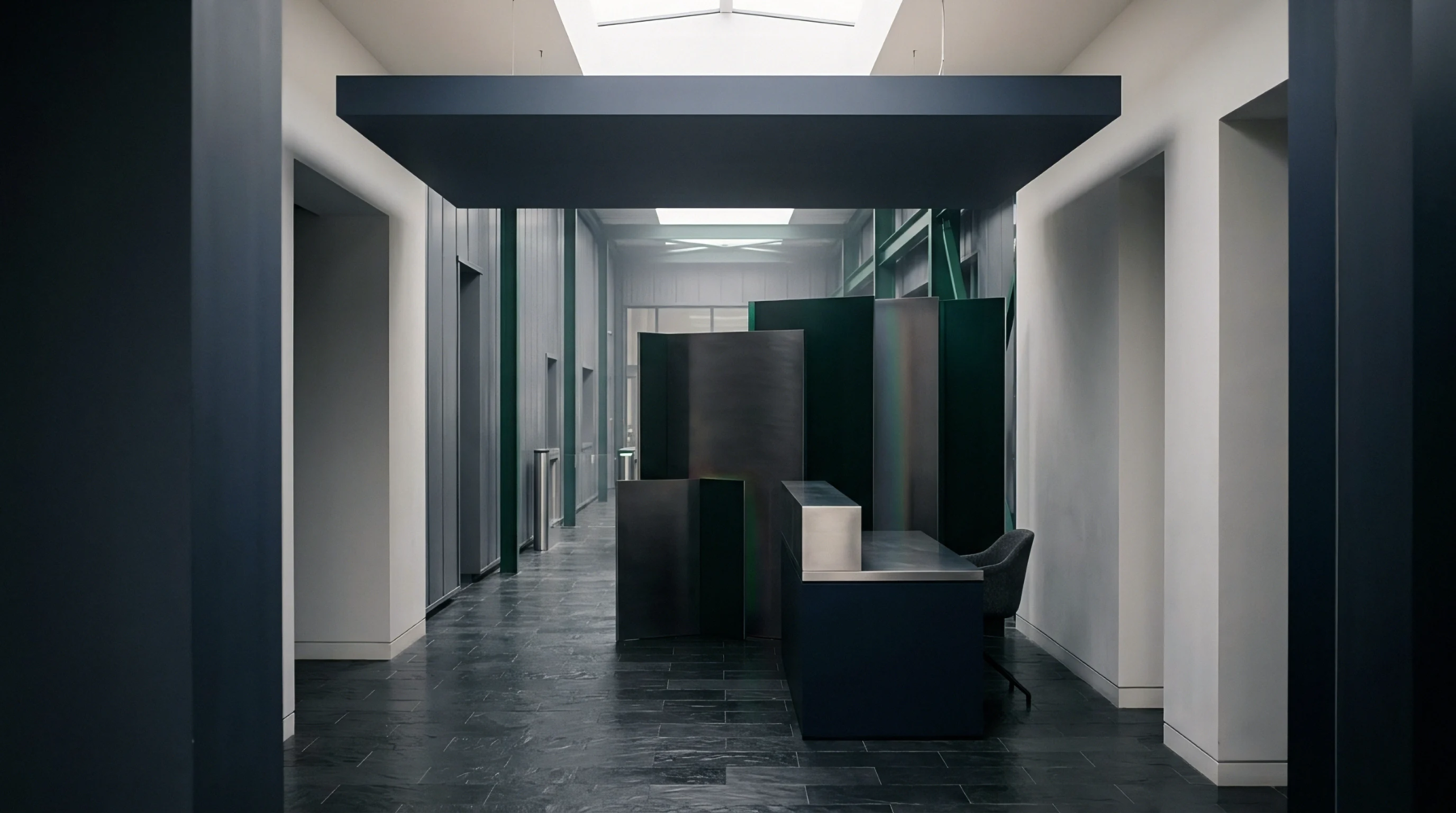
Separation of proprietary technical development from subsequent commercial or product implementation characterizes clean room protocol. Legal teams utilize this practice during intellectual property acquisition or mergers to prevent allegations of trade secret misappropriation by isolating engineers who never accessed the target firm’s protected data. Strict documentation of employee history combined with physical and digital partitioning of work environments creates a defensible audit trail.
This structure removes the possibility that confidential designs influenced the development of competing goods.
Development Integrity
Information silos form the base of this architecture through the restriction of knowledge transfer between two distinct engineering teams. The first group reviews the protected intellectual property to identify the underlying functional requirements while creating a set of design specifications that excludes any original code or schematics. These requirements undergo review by neutral counsel to ensure no restricted details appear in the output.
A second team receives only these cleaned specifications to build the final product. Complete separation ensures that the developers of the new solution possess no knowledge of the protected trade secrets held by the competitor.
Contractual Enforcement
Indemnification clauses often mandate this separation to mitigate risks during high value technology transfers or joint ventures. Parties to a transaction verify that the development of a competing system occurred independently to protect the acquiring company from litigation. Signed affidavits and access logs provide the evidence required to demonstrate that communication between the teams remained impossible throughout the project duration.
Independent auditors verify these records to confirm that the barrier remained intact until the commercial release.
Economic Consequence
Market entrants utilize this method to gain the right to operate in sectors crowded by established patents or guarded proprietary processes. High costs arise from the duplication of development effort because the clean room team cannot reuse existing code or logic flows from earlier stages of the project. Capital investment increases as a result of hiring additional staff and maintaining separate infrastructure for the duration of the work.
Reduced legal risk outweighs these costs when the potential for an injunction against a product launch threatens the financial viability of the entire transaction.