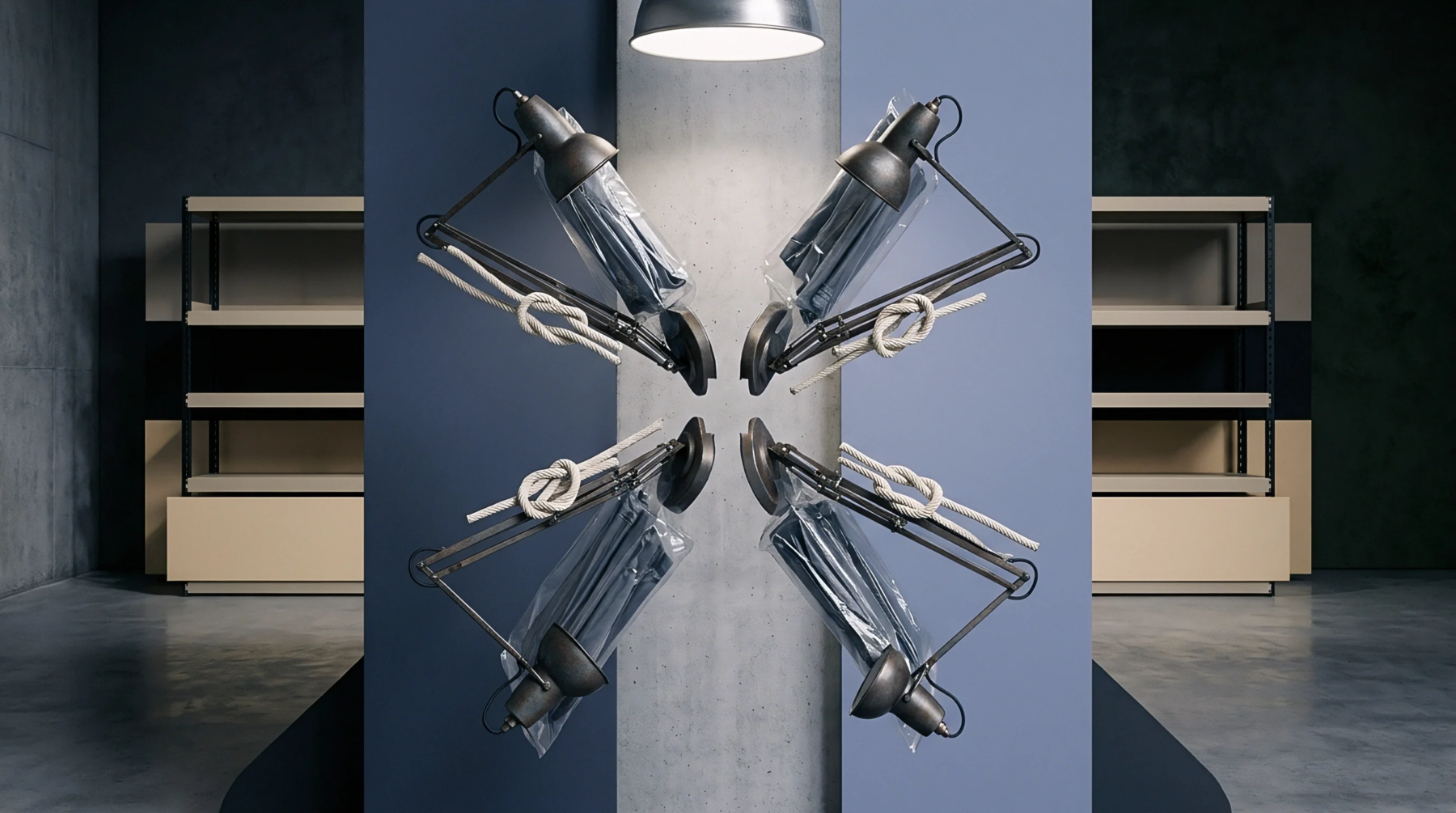
Meaning
Cost analysis identifies the continued presence of fixed costs within a parent company after a business unit has been sold or closed. The challenge of residual cost absorption arises when the remaining business must carry the same infrastructure with a smaller revenue base. These costs often include long-term leases, IT licenses, senior management salaries and underutilized real estate.
Financial Drag
Unless the parent company quickly resizes its central functions, the profit margins of the remaining divisions will decline. Under residual cost absorption, the cost per unit of the remaining products rises because the fixed overhead is spread over fewer items. This effect can lead to a cycle of underperformance if the firm does not take corrective action.
Mitigation Strategy
Leadership teams must implement a rightsizing plan concurrently with any divestiture to prevent this outcome. Effective management of residual cost absorption involves terminating shared contracts and consolidating office space before the sale closes. It ensures that the parent company remains lean and competitive in its core markets.
Investor Scrutiny
Analysts track the ratio of central costs to sales to see if a company is successfully shedding its legacy baggage. When residual cost absorption persists, it signals that the management has failed to integrate the divestiture properly. Resolving these stranded costs is a priority for any firm looking to maintain its credit rating after a reorganization.