Contractual Allocation of Dimensional Scrap Liability and Fixture IP Transfer Mechanics in Unincorporated Hardware Joint Ventures
Structure scrap thresholds using Cpk process capability limits and secure fixture IP transfers through automated CAD schematic escrow triggers.
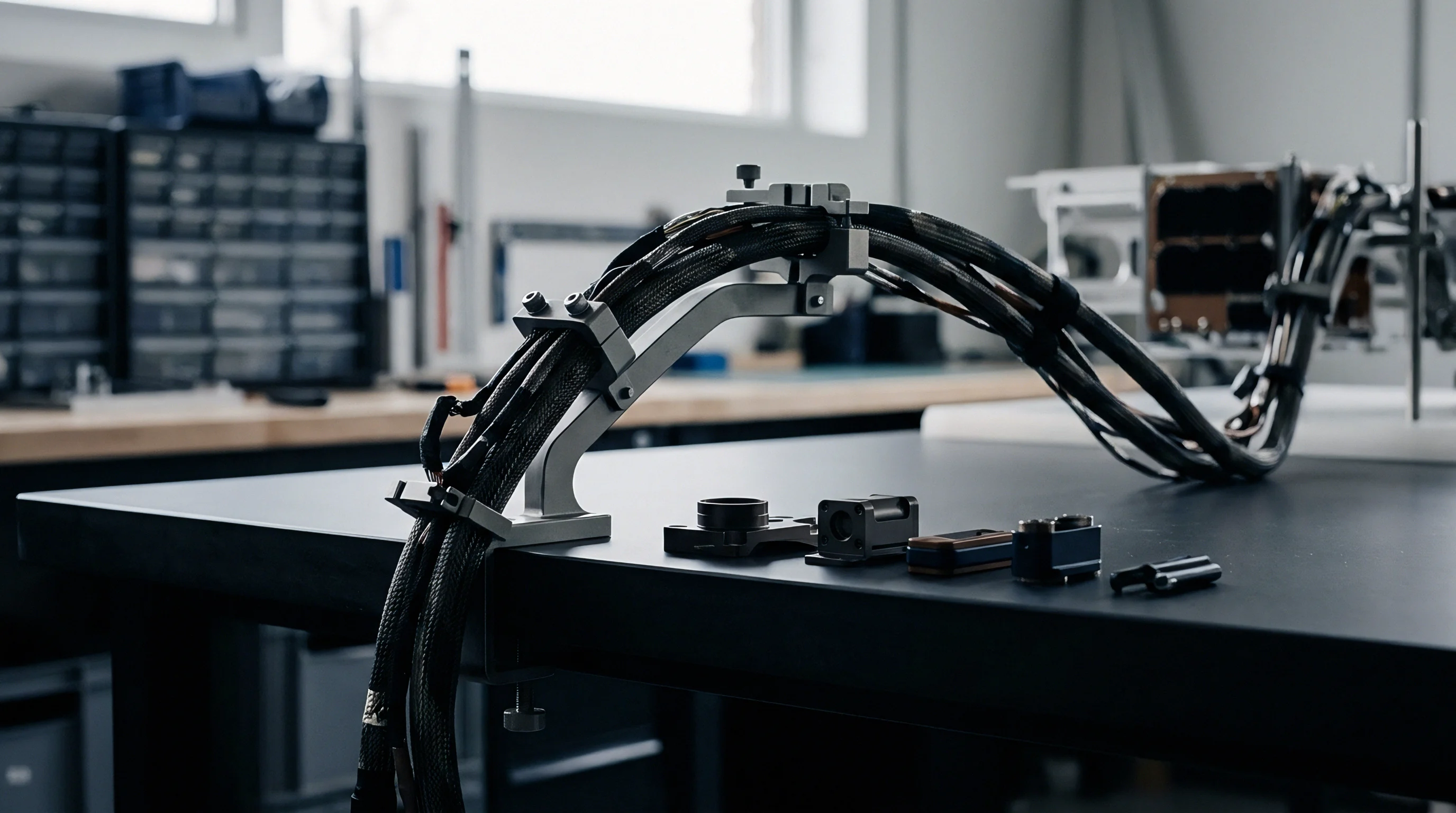

Scrap
In collaborative manufacturing ventures, precision machining generates physical off-cuts as raw metal meets milling cutters. Parts that drift beyond tolerance convert expensive aerospace alloys or precision electronics enclosures into waste. For unincorporated hardware joint ventures, the contractual line between routine manufacturing loss and actionable scrap liability determines who bears the hit ~ a critical issue given that raw material often accounts for sixty percent of total unit fabrication cost.

Geometric Variance and Out-of-Spec Material Metrics
Physical deviations from nominal CAD dimensions appear during high-speed CNC milling runs, where thermal drift across a twelve-hour shift can move hole centers by forty microns and breach allowable engineering limits. When Partner A provides raw titanium billets and Partner B operates the machining cell, dimensional failures create immediate friction regarding cause.
During tool calibration and setup, unadjusted production runs typically yield a baseline scrap rate of three to five percent. Scrap beyond that threshold usually stems from weak clamping rigidity, wrong cutter speeds, or worn tooling that pushes dimensions past design limits. Contracts assign dimensional scrap liability through statistical process control thresholds, where a process capability below a Cpk value of 1.33 automatically shifts liability to the operating partner.
Pinpointing defect origins relies on forensic dimensional audits. Coordinate measuring machines map surface points to confirm whether non-conformance stems from stock porosity, incorrect g-code programming, or fixture flexure, and joint venture agreements assign financial responsibility using these measurement logs. When material defects break a tool, the stock supplier bears the cost; when g-code errors crash a cutter, the machine operator pays for the ruined billet.
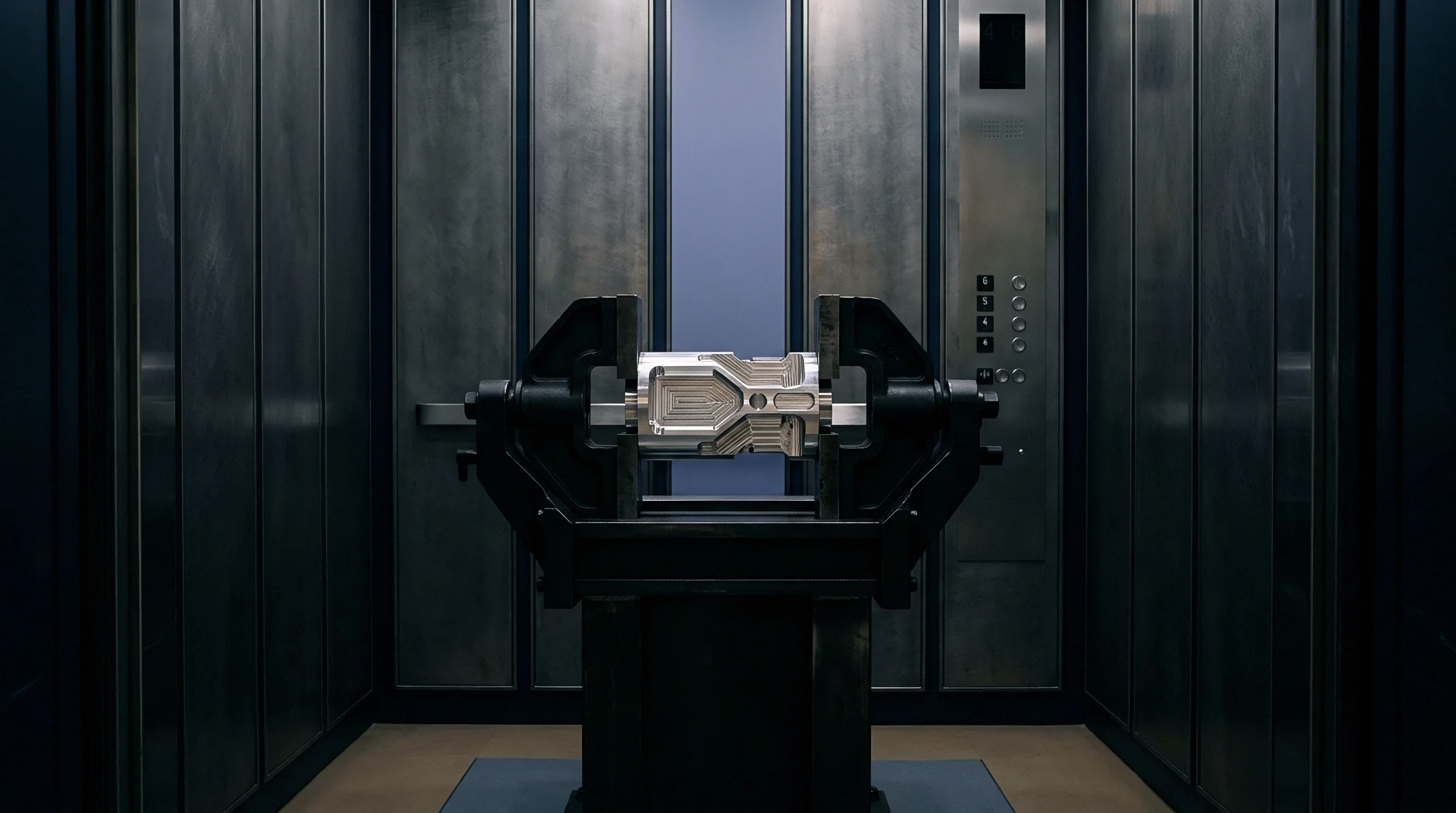
Contractual Origin Points for Machining Off-Cuts
Machining raw billet stock produces predictable swarf inside the fabrication cell. Unincorporated hardware agreements categorize material loss into two distinct types: baseline engineering off-cut waste and dimensional scrap resulting from process failure. Baseline waste includes kerf loss from saw cuts, face-milling swarf, and structural pocketing chips required by the CAD design itself.
Dimensional scrap refers to finished or semi-finished components rejected during quality inspection. The agreement assigns baseline waste costs to the venture operational budget, while dimensional scrap exceeding agreed percentages triggers direct partner reimbursement ~ a variance often exposed early during machining trials.
- Uncalibrated CMM baseline settings cause measurement discrepancies between partner inspection benches, leading to false rejection claims during early ramp stages.
- Thermal expansion omission in contract specifications allows operational drift when ambient shop floor temperatures swing outside standard reference environments.
- Billet structural anisotropy introduces unexpected internal stress relief during deep pocket milling, warping thin-walled housings outside geometric tolerances.
- Undefined kerf allowances leave raw stock loss unaccounted for during initial billet parting operations, creating continuous accounting disputes between partners.
High precision CNC machining contracts without real-time gauge synchronization double raw metal waste during initial ramp.
Vague scrap clauses push joint operations into formal arbitration whenever material loss spikes. Without clear baseline process capability ratios, cash flow drains rapidly as partners disclaim liability for off-spec parts.


Allocation
Financial responsibility for wasted metal stock divides between partners based on agreed baseline yield targets. Because unincorporated joint ventures lack a separate legal corporate entity to hold manufacturing losses, scrap costs flow directly through to partner balance sheets. Contractual allocation mechanisms utilize tiered sliding scales that dynamically shift liability as scrap volume surpasses defined engineering limits.

Threshold Formulas for Off-Spec Waste Absorption
Tiered loss structures distribute financial risk when rejected components exceed agreed limits. Normal scrap allowances set an acceptable baseline loss percentage, typically ranging from two to four percent of total throughput, which the venture absorbs as a shared operational expenditure. Once rejected parts pass this ceiling, specific indemnity clauses shift full financial liability to the partner operating the manufacturing line.
Reimbursement formulas evaluate raw material landed cost, spent machine hours, and consumed perishable tooling. The operating partner reimburses the non-operating partner for ruined raw stock while forfeiting its own hourly machining service fees ~ a mechanism designed to prevent double recovery while enforcing accountability for shop-floor execution failures.
| Scrap Band Percentage | Financial Allocator | Reimbursement Basis | Risk Trigger Event |
|---|---|---|---|
| 0.0% – 2.5% | Shared Operational Expense | Standard Bill of Materials Cost | Baseline Calibration & Setup |
| 2.6% – 5.0% | Operating Partner (50%), Stock Partner (50%) | Landed Material Cost Only | Minor Fixture Drift & Tool Wear |
| 5.1% – 10.0% | Operating Partner (100%) | Landed Material + Machine Hour Rate | G-Code Error & Operator Fault |
| Above 10.0% | Operating Partner (100% + Penalty) | Full Replacement Cost + Delay Fine | Gross Operational Negligence |

Scrap Credit Reconciliation and Resale Offsets
Secondary metal recyclers purchase turned turnings and milled chips at prevailing spot market rates, and contracts mandate using these recycling proceeds to offset total calculated scrap liability. High-value alloys such as titanium grade 5, nickel Inconel 718, and 7075 aluminum command substantial scrap credit values that significantly alter net liability calculations.
The contract defines strict scrap segregation standards. Contaminating high-value titanium turnings with low-grade cutting fluids or mixed aluminum alloy chips cuts chip resale value by up to seventy percent, leading unincorporated venture contracts to penalize operating partners who fail to maintain clean swarf separation streams.
- Baseline tolerance auditing verifies physical part dimensions against master CAD schematics using calibrated, temperature-controlled coordinate measuring systems.
- Material scrap credit indexation ties recycling offsets directly to published London Metal Exchange spot values at the time of scrap generation.
- Yield loss sliding scales adjust partner financial obligations dynamically as total production batch volume expands across manufacturing runs.
- Batch size adjustment factors modify scrap thresholds for low-volume prototype builds, where setup waste accounts for a higher percentage of total material.
Under Section 8.4 of standard hardware joint venture terms, yield variance exceeding five percent transfers full raw stock replacement costs to the machining partner within thirty days of inspection log sign-off.


Fixture
Physical holding devices and alignment jigs lock components into position during complex automated assembly cycles. Fixture design drives manufacturing repeatability and directly dictates scrap rates. In unincorporated hardware ventures, custom tooling represents a substantial capital investment blending background partner intellectual property with foreground joint innovations.

Custom Tooling Classification and Background Access
Proprietary alignment rigs developed before joint operations retain their pre-existing legal status. Background IP covers existing clamping mechanics, hydraulic circuit designs, and baseplate mounting systems brought to the venture by an individual partner, which contracts explicitly list in attached detailed schedules.
Foreground fixture additions encompass specialized locator pins, custom contoured jaw inserts, and sensor mounts designed specifically for the joint hardware project. Clear IP partitioning leaves pre-existing fixture platforms with their original owner, while product-specific modifications join the shared technology pool.
- Physical inventory verification takes place before fixture assembly to establish base asset conditions and background IP boundaries.
- Dual-signature technical sign-offs confirm background IP ownership before integrating custom modifications into production lines.
- Calibration drift metrics record operational wear before joint deployment to establish pre-existing tolerance baselines.
- Encrypted CAD schematic escrows deposit source files with independent holding agents prior to commercial manufacturing runs.
Clause 14.2 of the standard hardware bailment schedule transfers risk of loss upon physical delivery to the line.
Modification Rights for Shared Manufacturing Assets
Engineering teams frequently alter holding clamps to adjust for thermal expansion during titanium welding. Hardware agreements regulate fixture modification rights through formal engineering change orders, since unauthorized modifications risk invalidating background IP protections or disturbing baseline manufacturing precision.
Tooling wear steadily shifts dimensions over extended production runs. Regular maintenance resets locator pins and bushing wear plates to preserve part alignment, and joint venture contracts require operating partners to keep complete maintenance logs to catch premature dimensional drift.
Fixtures exhibit thermal drift under extended operation, leaving it uncertain whether dimensional variance stems from partner-supplied raw stock or fixture clamping design.


Assignment
Transferring technical drawings and fabrication schematics requires formal execution documents between joint participants. Intellectual property transfer mechanics for custom fixtures ensure production capability continues if the unincorporated venture terminates or restructures, covering CAD files, CNC toolpaths, inspection routines, and physical fixture tooling.

Do Fixture Patents Automatically Assign upon Dissolution?
Unincorporated joint operations routinely dissolve without self-executing intellectual property transfer provisions in the primary contract. Without explicit contractual conveyance clauses, background fixture patents remain fully vested in the originating partner, while foreground inventions ~ including novel locator configurations or automated clamping mechanisms created during joint operations ~ default to joint tenancy under standard common law frameworks unless assigned otherwise.
Joint tenancy without explicit assignment rules creates operational gridlock. Both partners retain non-exclusive rights to practice the invention, but neither can grant exclusive licenses or transfer full title to third parties without mutual consent. Predetermined assignment schedules resolve this deadlock by executing patent assignments automatically upon specific dissolution triggers.
- Irrevocable grant clauses execute immediate IP conveyances for all foreground fixture modifications upon project milestone sign-off.
- Firmware repository keys transfer operational control over custom microcontroller code powering automated pneumatic clamping fixtures.
- Tooling drawing escrow releases grant non-defaulting partners full access to complete 3D CAD files upon contract breach events.
- Cross-licensing survival terms preserve continued manufacturing rights for background fixture patents following joint venture termination.
Escrow release covenants triggering at 99.2 percent target yield retain fixture patents until third-party audit completes.

Condition-Precedent Triggers for CAD Schematics
Releasing structural layout files from third-party data repositories depends on meeting defined milestones. Condition-precedent mechanisms lock critical fixture design files until specific financial or technical parameters clear, such as full payment of capital contributions, attainment of target manufacturing yields, or formal venture dissolution notices.
Transfer clauses govern firmware embedded inside smart fixtures. Microcontrollers managing clamping pressure sensors or automated load-unload pneumatic valves require source code assignment alongside physical hardware conveyances, with escrow agents releasing source code and build environments upon verified default or termination events.
Enforcing physical seizure of custom assembly jigs presents practical challenges when the assets reside inside a defaulting partner’s secure facility.

Valuation
Financial appraisal of specialized jigs and assembly rigs determines cash payouts when unincorporated ventures terminate. Physical fixture assets depreciate through mechanical wear, whereas embedded intellectual property may appreciate or retain strategic commercial value, making objective asset valuation algorithms necessary for orderly buy-outs or liquidations.
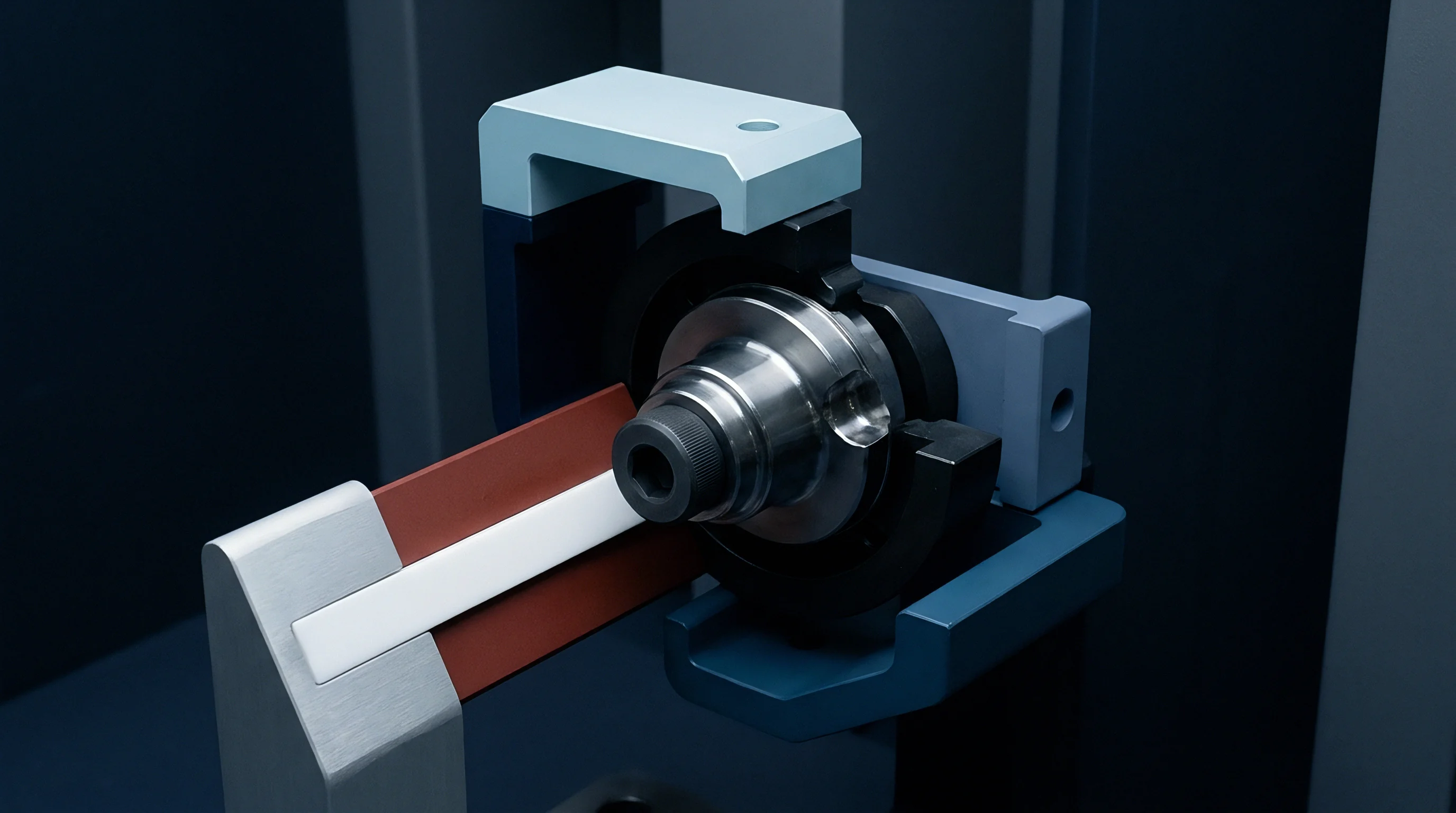
Depreciation Schedules for Specialized Hardware Assets
Straight-line tax accounting rarely reflects the rapid physical wear of high-cycle production tooling. Hardware joint venture contracts implement cycle-based depreciation models, so a custom milling fixture rated for fifty thousand machining cycles depreciates in direct proportion to verified production runs, regardless of elapsed calendar months.
Abrasive substrates like carbon fiber composites or glass-filled polymers demand accelerated wear models. Because these materials degrade locator surfaces much faster than soft aluminum alloys, contracts shorten depreciation timelines and require higher replacement reserves.
| Tooling Asset Class | Depreciation Metric | Useful Life Expectancy | Terminal Buy-Out Multiple |
|---|---|---|---|
| Custom CNC Milling Fixtures | Total Machining Cycles | 50,000 Operations | 0.15 x Original Machining Cost |
| Automated Welding Rigs | Operating Hours | 10,000 Hours | 0.25 x Net Book Value |
| Precision Inspection Gauges | Calendar Months + Calibrations | 36 Months / 100 Calibrations | 0.40 x Replacement Cost |
| Manual Assembly Jigs | Units Produced | 100,000 Units | 0.10 x Net Book Value |

Buy-Out Mechanics for Joint Fabrication Equipment
Surviving partners exercise contractual options to acquire operational machinery upon venture closure. Valuation formulas combine net book value based on cycle wear with fair market appraisals of background design modifications, helping prevent protracted disputes over asset value during venture unwind operations.
Disputes over tooling prices quickly drain capital during deadlock. To bypass this, agreements rely on binding third-party machinery appraisals, requiring the acquiring partner to pay cash within sixty days of completion to clear asset liens and complete physical title transfers.
Fixture residual valuations fall steeply once specialized production runs cease.
When an unincorporated hardware venture terminates, physical asset transfers require unencumbered ownership title. Outstanding vendor invoices for fixture raw stock or sub-contracted heat treatment create statutory liens that cloud ownership, making the resolution of third-party claims a necessary condition for final asset accounting.