Cross Border Tooling Title Transfer Agreement Basic Steps
Cross-border tooling title transfers require physical asset tagging, gated milestone payments tied to Factory Acceptance Testing, and formal bailment agreements.

Custody
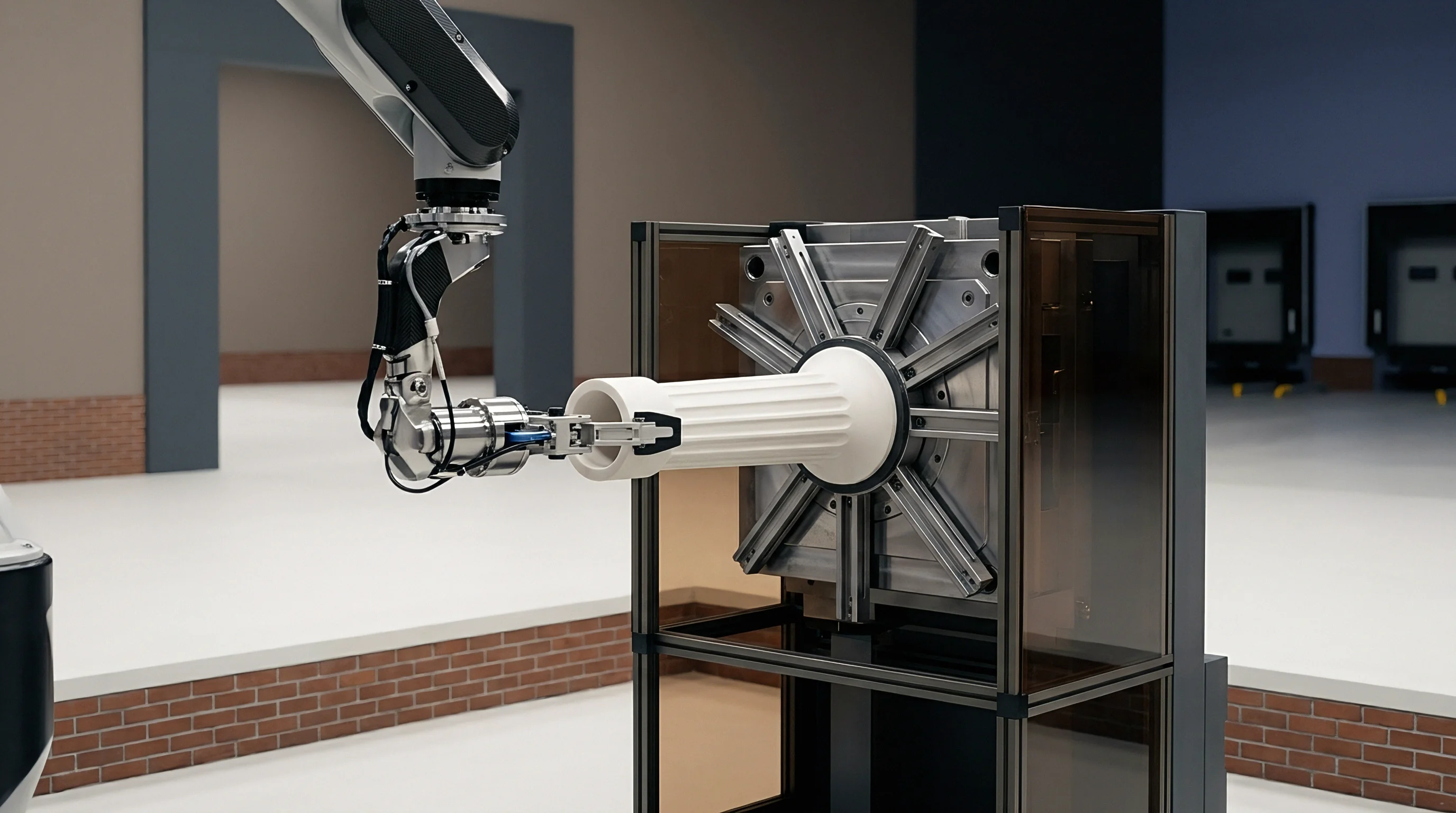
Overseas manufacturing arrangements frequently conflate physical possession of injection molds with ultimate legal title. When a buyer commissions custom tooling, the contract manufacturer executes the build or subcontracts the work to a specialized toolmaker. Physical asset custody remains inside the supplier’s facility throughout the production lifecycle.
Standard manufacturing purchase orders treat tooling payments as operational expenditures without establishing an explicit legal bailment. This structural ambiguity exposes the asset to third-party creditor claims if the supplier faces bankruptcy or insolvency proceedings.
Bailment creates a distinct legal duty. Under a properly drafted tooling bailment agreement, the contract manufacturer holds the physical equipment as a bailee for the sole purpose of fabricating specified parts for the bailor. The arrangement leaves legal and beneficial ownership entirely with the buyer.
Without a standalone bailment contract, foreign courts interpret supplier possession as prima facie evidence of asset ownership under local commercial codes.
Failure modes multiply when buyers rely on general Master Services Agreements to secure title.
- Commingling Assets occurs when the factory logs customer molds under its own fixed asset register for local tax depreciation credit.
- Pledge Encumbrance arises when a contract manufacturer uses factory floor equipment, including buyer-funded tooling, as collateral for local bank financing.
- Unauthorized Subcontracting happens when the primary supplier moves the mold to a third-party shop without executing an downstream bailment acknowledgment.
- Lien Retention develops when a factory asserts a possessory lien over molds to force settlement of unrelated commercial pricing disputes.
A bailment clause omitting explicit repossession remedies leaves asset recovery subject to local commercial tribunal delays.
Molds carry high fabrication expense. Securing legal separation requires formal registration on local commercial asset registries where available, alongside written declarations signed by the supplier’s legal representative. Skipping these registration procedures permits senior secured lenders of the factory to seize the tooling during a default liquidation event.

Plaque
Permanent physical identification on an injection mold base prevents asset commingling during bankruptcy proceedings. Courts and customs officials verify asset ownership through visible, unalterable shop-floor identifiers rather than unverified purchase orders. Paperwork aligns with factory records.

Physical Asset Identification Standards
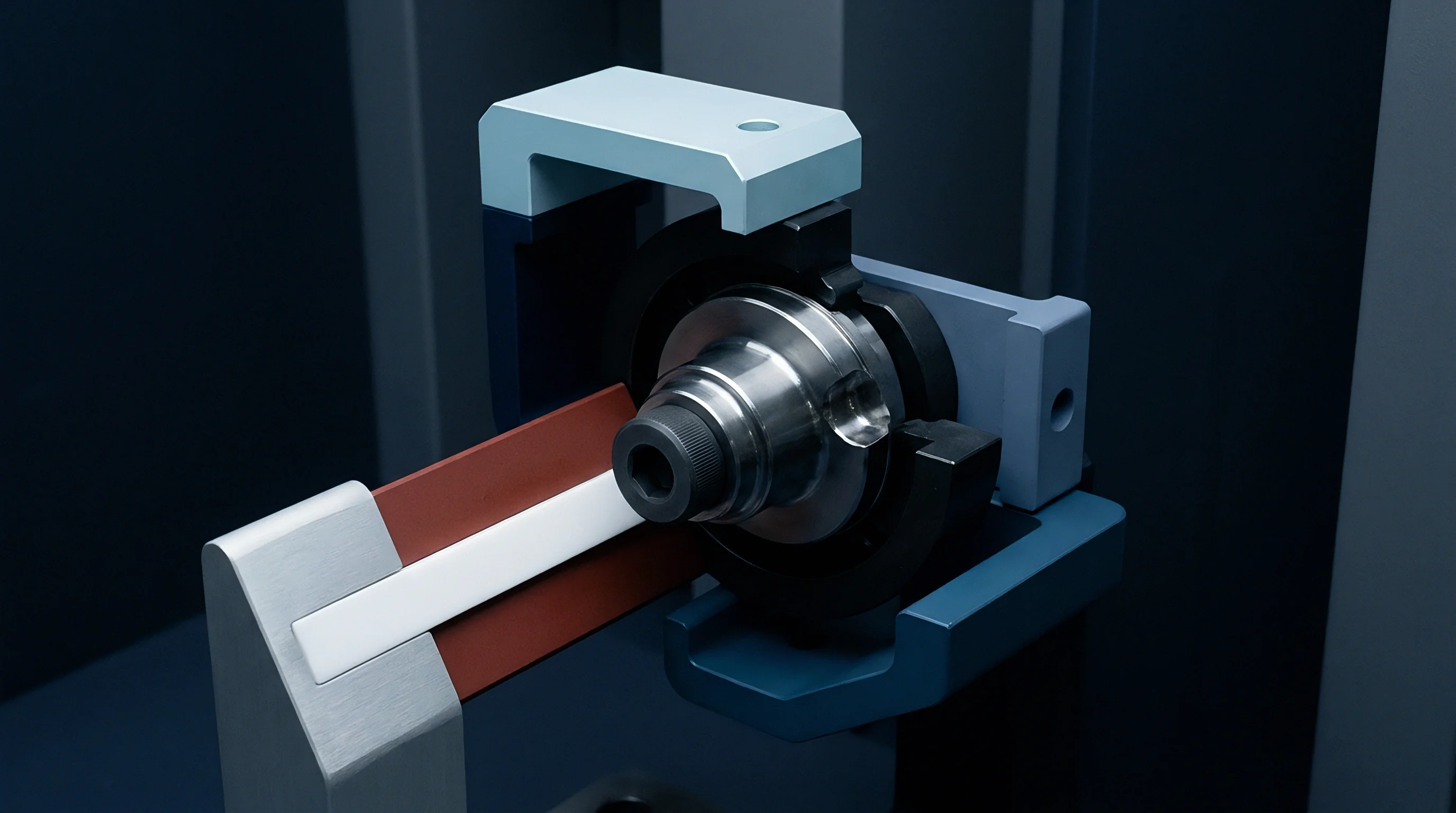
Physical marking must be executed before the tool leaves the mold maker’s bench. Engraving asset details directly into the steel mold base creates an immutable physical record. Applying a riveted stainless steel identification plate provides redundant verification for shop floor auditors.
- Engraved Identification places the buyer legal entity name, drawing number, and unique asset code directly onto the operator-side mold plate at a minimum depth of zero point five millimeters.
- Riveted Metal Tags secure 316-grade stainless steel plaques displaying serial codes and ownership declarations onto the top clamp plate using tamper-resistant drive screws.
- Color Coding standardizes high-visibility epoxy painting on non-functional exterior surfaces to distinguish customer-owned assets from factory-owned tooling at a glance.
Tooling plates fixed with removable machine screws regularly disappear during shop floor retooling.

Audit Protocols for Overseas Shop Floors
Factory managers resist tooling extraction. Independent third-party auditors verify asset presence by auditing the physical tag against the formal bill of sale during annual inventory reviews. The auditor inspects the physical mold, captures high-resolution photographs of the asset tag, and records the GPS coordinates of the facility.
Disagreements over tooling physical location frequently surface during supplier transitions. When pressed for immediate visual verification of an asset, factory engineers often claim the mold is currently undergoing routine off-site maintenance at an undisclosed toolmaker.


Transfer
Financial commitments executed across milestone tables determine when risk of loss shifts between contracting entities. Title transfer schedules must link financial payments directly to verified engineering outputs.

When Does Ownership Formally Pass to the Buyer?
Legal ownership transfers upon explicit execution of a Bill of Sale following successful Factory Acceptance Testing. Linking title transfer solely to final cash disbursement creates a coverage gap if the supplier refuses to release the mold after receiving payment. Title moves upon full payment.
| Payment Stage | Disbursement Share | Engineering Trigger | Title Status | Risk of Loss |
|---|---|---|---|---|
| Deposit | 30 Percent | Steel Cut Approval | Supplier Owned | Supplier |
| T1 Samples | 30 Percent | First Article Inspection Report | Supplier Owned | Supplier |
| Qualification | 25 Percent | Factory Acceptance Testing (FAT) | Title In Vesting | Shared Custody |
| Sign-Off | 15 Percent | Site Acceptance Testing (SAT) | Buyer Owned | Buyer |

Gating Payment Milestones to Operational Qualification
Payment schedules require objective verification gates. Structured retention balances hold supplier focus through the final validation phase.
- Review First Article Inspection Reports against dimensional tolerances defined in the engineering drawing.
- Execute a continuous production run of five thousand shots to confirm cycle time, cooling performance, and part consistency.
- Inspect the physical mold for surface wear, parting line integrity, and proper function of mechanical slides.
- Issue a signed Certificate of Acceptance co-signed by the buyer’s quality manager and the factory representative.
- Execute the formal Bill of Sale identifying the mold serial code, purchase price, and precise physical location.
Factory acceptance sign-offs retain ultimate title transfer control when tied to a fifteen percent final milestone withhold.
Consider a custom 64-cavity medical connector mold costing 220,000 USD fabricated in a foreign jurisdiction. The buyer structures a four-stage payment protocol: 30 percent at steel cut, 30 percent at T1 sample delivery, 25 percent upon Factory Acceptance Testing completion, and 15 percent following local Site Acceptance Testing. If the buyer releases the 25 percent qualification payment without securing a signed Bill of Sale, local commercial law classifies the buyer as an unsecured creditor for 187,000 USD while legal title remains with the factory.
Securing execution of the Bill of Sale concurrently with the third milestone payment legally vests title in the buyer prior to final production shipment.
The standard agreement draft is amended by inserting: “Title to the tooling identified in Schedule A vests unconditionally in Buyer upon execution of the Factory Acceptance Certificate, irrespective of pending final retention disbursements.”


Customs
Cross-border tax authorities audit tooling value declarations to catch under-reported unit costs. When a buyer owns a mold located in a foreign factory, the regulatory status of that mold affects customs valuation for finished goods exported to destination markets.

Tariff Classification and Value Declarations
Customs agencies enforce assists regulations. An assist is any mold, die, tool, or engineering design provided by the buyer directly or indirectly to the foreign producer free of charge or at a reduced cost. Customs regulations demand that the value of the tooling assist be amortized and added to the declared value of imported finished goods.
Direct costs apply.
| Jurisdiction | HS Code Class | Base Duty Rate | VAT / Tax Treatment | Temporary Import Regime |
|---|---|---|---|---|
| China | 8480.71.90 | 0 to 5 Percent | 13 Percent Import VAT | ATA Carnet / Bonded Custom Zone |
| Mexico | 8480.71.01 | 0 to 7 Percent | 16 Percent IVA (VAT) | IMMEX Temporary Import Program |
| Vietnam | 8480.71.10 | 0 to 3 Percent | 10 Percent Import VAT | EPE Inward Processing Scheme |
| European Union | 8480.71.00 | 1.7 Percent | National Standard VAT Rate | Temporary Admission Procedure |

Cross-Border VAT Obligations on Foreign-Sourced Molds
Cross-border asset ownership triggers immediate value-added tax implications. When title transfers inside the manufacturing country, local tax authorities view the transaction as a domestic sale of goods, generating an immediate local VAT liability even if the tool never exits the facility. Tax audits target unassigned equipment.
Customs authorities inspect physical tooling asset tags during unannounced export valuation audits.
Failure to declare tooling assists on import declarations results in systematic undervaluation fines exceeding double the original duty deficit. A operational rule of thumb mandates matching the tooling amortization schedule explicitly with export shipping manifests.


Recourse
Contractual rights to seize injection molds remain unenforceable without local judicial assistance. When commercial relationships collapse, foreign suppliers holding physical assets use possession to extract commercial leverage. Written consent precedes mold relocation.

Repossession Covenants and Export Licensing Restrictions
Factory doors close quickly during commercial disputes. Physical access requires enforceable repossession covenants drafted under local law protocols. Local courts govern physical seizure.
- Irrevocable Power of Attorney empowers a named local agent to enter factory premises and take possession of serialized customer assets upon documented contract breach.
- Export License Declarations confirm prior to build that the custom tooling does not fall under dual-use technology export control restrictions of the host nation.
- Third-Party Escrow Storage places critical tooling in an independent logistics warehouse between production runs to prevent factory leverage during negotiations.
- Pre-Signed Release Orders compel the contract manufacturer to execute customs clearance paperwork in advance of potential asset extraction.
Default terms govern asset release. Physical possession gives immediate leverage. In the absence of specialized injunctive relief issued by a court located in the factory’s municipality, local law enforcement agencies will treat extraction attempts as unlawful property trespass.

Jurisdictional Selection for Cross-Border Enforcement
Choice-of-law clauses dictate legal remedies. Offshore arbitration awards offer limited protection when attempting to secure immediate physical repossession of capital equipment from a operating factory. Local courts retain absolute authority over physical property located within their territorial jurisdiction.
What specific judicial mechanism allows a foreign buyer to secure an immediate ex parte seizure order for proprietary tooling before an uncooperative contract manufacturer dismantles or conceals the mold base?