Residual Fixture Valuation and Intellectual Property Assignment Deficits in Joint Hardware Venture Dissolution
Resolving joint hardware venture dissolution requires pairing physical fixture salvage write-downs with executed confirmatory IP assignments before distributing capital.


Inventory
Hardware joint ventures frequently conclude with disputed equipment lists scattered across contract manufacturing sites and joint R&D facilities. Physical assets recorded on corporate accounting sheets often fail to match the real equipment sitting on production floors. Asset schedules require physical verification.
Establishing an accurate baseline demands reconciling purchase orders, fixed asset registers, and physical bench counts across every participating facility.
Discrepancies arise when capital expenditures for specialized tooling are lumped into general development fees. Equipment bought during initial build phases frequently lacks clear tag identification tying it back to the joint venture entity rather than the host manufacturing partner. When joint hardware entities initiate dissolution, host partners often claim shared manufacturing equipment as integrated facility infrastructure rather than separable venture property.

Physical Asset Audits in Hardware Winding
Field counts of production equipment reveal significant gaps between capitalization records and usable factory assets. Audit teams must physically inspect each jig, stencil, and assembly rig to confirm operational status and exact location. Custom tooling degrades rapidly.
Test fixtures subjected to high-volume manufacturing environments show mechanical wear that drastically reduces secondary market value long before accounting schedules reflect full depreciation.
Verification protocols demand checking serial plates against original vendor invoices to establish definitive chain of custody. Equipment modifications made during product iterations complicate ownership claims, particularly when one partner funded fixture upgrades without amending the master asset register. Without contemporaneous written amendments, capital improvements merge into the underlying machine frame, obscuring individual partner equity contributions.
Tooling depreciated over fewer than twenty-four months yields under twelve percent of original fabrication cost during forced venture liquidation.

Fixture Categorization and Salvage Realization
Specialized manufacturing gear falls into distinct categories based on reusability across alternative product lines. Universal test benches and standard environmental chambers retain substantial resale value on secondary markets. Custom injection molds and proprietary automated optical inspection jigs carry almost zero value outside the specific product architecture for which they were machined.
Scrap yards buy metal by weight. High-precision carbide molds cost hundreds of thousands of dollars to fabricate, yet yield only raw material scrap value upon dissolution if intellectual property restrictions prevent secondary use. Categorizing assets by reusability index early in the winding process prevents inflated recovery expectations on corporate balance sheets.
| Asset Category | Reusability Index | Valuation Basis | Realizable Salvage Yield |
|---|---|---|---|
| Custom Injection Molds | Single-Product | Raw Metal Salvage | 5% to 12% |
| Automated Test Jigs | Modular Platform | Depreciated Market Value | 30% to 45% |
| SMT Stencils and Fixtures | Single-Product | Component Recovery | 8% to 15% |
| Environmental Test Chambers | Universal Equipment | Secondary Market Benchmark | 55% to 70% |
Failing to conduct physical asset reconciliations prior to formal settlement negotiations leaves non-operating partners paying full capital rates for obsolete scrap.
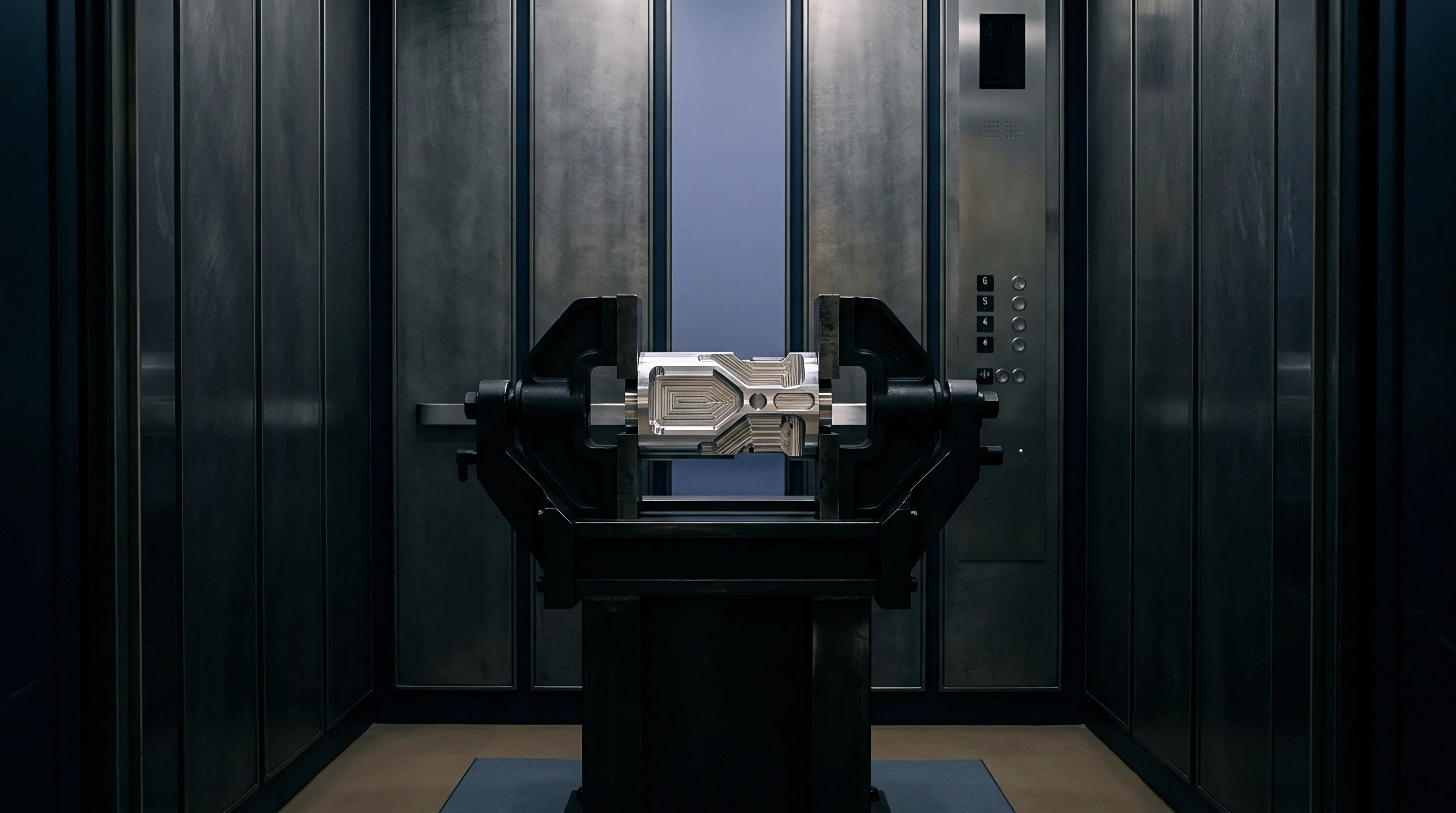

Mold
Specialized production tooling creates primary friction during entity unwinding due to severe valuation drops. Custom tooling costs represent upfront non-recurring engineering investments that amortize over anticipated production volumes. When a joint venture terminates prematurely, amortized balance sheets present artificial values that do not reflect secondary market realities.
Valuation models depend on secondary demand. Accounting balance sheets distort actual recovery value. A two-hundred-thousand-dollar mold fabricated for a proprietary enclosure possesses zero liquidity when no market exists for the underlying device housing.
Joint venture liquidators face immediate write-downs when shifting from operating continuity accounting to forced liquidation valuation models.
Non-Recurring Engineering and Tooling Depreciation
Capital assets funded under joint development agreements undergo steep economic obsolescence once product lines cease. Non-recurring engineering fees paid to tooling vendors cover design time, machining, and initial sample qualification. These expenditures create intangible value during active production but vanish completely upon venture termination.
Contractual depreciation schedules written for five-year operational timelines fail during early-stage dissolutions. Straight-line accounting overstates residual fixture value, creating artificial equity balances that partners contest during asset division. Paperwork delays burn remaining capital.
Immediate markdowns to fair market liquidation value eliminate protracted disputes over phantom asset worth.

Physical Custody versus Title Encumbrance
Holding physical control of factory tooling creates substantial leverage during liquidation negotiations. Contract manufacturers located in foreign manufacturing hubs frequently refuse to release molds until outstanding line-standby fees and unamortized component liabilities are settled. Physical possession gives operational leverage.
Title ownership on paper offers little practical utility when physical fixtures remain locked inside a counterparty facility across legal jurisdictions. Cross-border enforcement actions to recover specialized tooling often exceed the net salvage value of the physical metal itself.
- Non-transferable design rights prevent secondary buyers from operating custom tooling without infringing retained partner patents.
- Tooling wear acceleration during final production runs reduces remaining cycle life below commercial resale thresholds.
- Proprietary interface lock restricts test bench utility strictly to the dissolved entity bespoke controller architecture.
- Dual-use ambiguity leads co-founders to claim shared production gear as proprietary partner property.
Inclusion of an unencumbered title option in fixture procurement agreements converts secondary vendor tooling into transferable venture assets.
Contract manufacturers typically claim that custom tooling forms an integrated part of their automated line and cannot be removed without damaging vendor property.


Provenance
Intellectual property defects emerge when initial formation paperwork fails to execute perfected transfer documentation. Founders routinely execute master joint venture agreements containing prospective assignment clauses, assuming software, firmware, and mechanical schematics automatically vest in the new corporate entity. Equity issuance without confirmatory assignment documentation leaves underlying IP legal title stranded with originating parent entities or individual engineers.
Joint ventures demand clean severances. Unassigned code limits entity resale value. Defective assignment chains prevent dissolved joint ventures from selling underlying technology packages to third parties to cover outstanding creditor claims.

What Remedies Exist When Patent Assignments Lack Perfection?
Curing missing patent transfers during dissolution involves executing confirmatory assignment schedules or invoking specific performance covenants in original venture agreements. Patent offices require clear, unencumbered chains of title linking individual inventors to ultimate corporate assignees. When an originating partner refuses to sign confirmatory documents during dissolution, the venture entity holds equitable title but lacks legal title needed to execute clean asset transfers.
Chancery courts can compel execution under specific performance provisions if original joint venture documentation contained explicit power-of-attorney language. Missing signatures stall final settlement. Lacking explicit power-of-attorney clauses, venture liquidators face costly civil litigation to force assignment perfection before entity cancellation.

Firmware and Mechanical Design Ownership Deficits
Unsigned developer schedules create joint ownership traps where individual engineers retain underlying copyright. Unlike patent rights, which default to individual inventors absent express contract terms, software and firmware ownership requires valid work-for-hire provisions or formal written copyright transfers. Equipment leases create immediate liabilities.
Incomplete IP assignments across multi-jurisdictional engineering teams result in fragmented ownership assets. A joint hardware venture operating across US and Asian jurisdictions might successfully secure US mechanical utility patent rights while failing to secure local copyright registrations for embedded microcode.
- Audit founding engineering schedules to identify unexecuted assignment documents across hardware and software repositories.
- Issue formal confirmation demands to contributing parent entities to perfect pending patent and design filings.
- Negotiate cross-licensing scope adjustments to clear overlapping shop rights before executing final release deeds.
- File executed assignment deeds with relevant international patent offices to extinguish equitable counter-claims.
Unexecuted assignment schedules attached to master venture agreements leave intellectual property rights with the originating entity regardless of equity contributions.
Inserting an express covenant for further assurances in the dissolution agreement obligates departing founders to sign future patent filings without additional financial compensation.

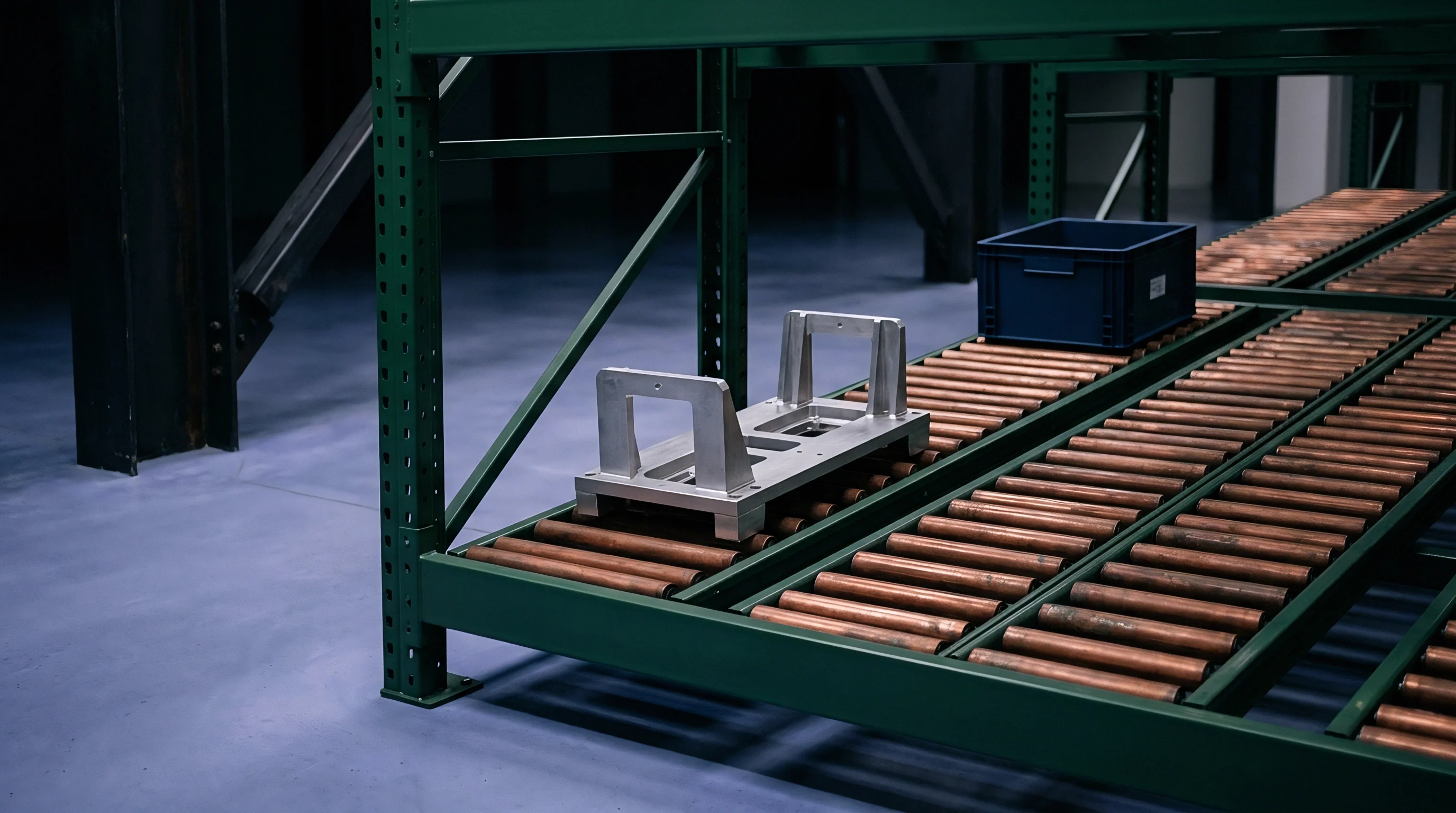
Ledger
Financially balancing residual capital assets against intellectual property deficits demands rigorous accounting frameworks. Valuation disparities between physical fixtures and intangible IP routinely derail unwinding agreements. When a joint venture holds physical tooling worth nominal scrap value alongside defective, unperfected firmware rights, direct cash payouts become necessary to equalize partner equity distributions.
Clear title demands signed assignment deeds. Unperfected patents lose commercial utility. Reconciling capital accounts requires subtracting cure costs for missing IP documentation directly from the defaulting partner equity share before liquidating remaining cash reserves.

Worked Settlement Model with Stated Assumptions
Evaluating a joint entity with two million dollars in initial capital expenditure illustrates the interaction between fixture write-downs and IP remedies. Assume Partner A contributed one million two hundred thousand dollars in physical test fixtures and custom tooling, while Partner B contributed eight hundred thousand dollars in cash alongside exclusive firmware licensing rights. At dissolution, physical fixtures carry a nominal book value of eight hundred thousand dollars but hold a verified secondary market salvage value of only ninety thousand dollars.
Assume Partner B failed to execute confirmatory assignment documentation for the core firmware codebase, requiring an estimated one hundred fifty thousand dollars in legal and engineering cure costs to perfect or replace. The net realizable asset pool shifts dramatically from original accounting projections.
The total net realizable asset calculation proceeds through distinct adjustments. Initial combined cash reserves stand at three hundred thousand dollars. Total physical salvage yields ninety thousand dollars.
Gross realizable capital equals three hundred ninety thousand dollars. Subtracting the one hundred fifty thousand dollar IP cure cost leaves a net distributable asset pool of two hundred forty thousand dollars.
Partner A initial 60% equity share of nominal assets would yield one hundred forty-four thousand dollars. However, Partner A physical fixtures suffered a seven hundred ten thousand dollar write-down from book value. Partner B initial 40% equity share of two hundred forty thousand dollars equals ninety-six thousand dollars, but Partner B equity bears the full one hundred fifty thousand dollar deduction caused by defective IP assignments.
Partner B net capital account shifts into a fifty-four thousand dollar deficit, requiring a cash offset against remaining distributions.

Offsetting Valuation Haircuts against IP Deficit Cures
Defective software transfers introduce cash cure costs that directly reduce the distributing capital pool. Equity adjustments must account for both physical fixture depreciation and legal remediation expenses before finalizing partner distributions.
Contractual set-off rights permit non-defaulting partners to withhold distributions to cover IP perfection expenses. Winding up costs money daily. Applying direct set-offs prevents defaulting parties from walking away with cash assets while leaving the joint venture holding unassignable, encumbered technology packages.
- Definitive asset schedule verification confirms physical location and title status for every capital fixture on the corporate ledger.
- Confirmatory assignment execution secures full legal title to generated patents, trade secrets, and software codebases.
- Vendor lien clearance eliminates outstanding liabilities with contract manufacturers, component distributors, and tooling shops.
- Escrow release conditionality ties final capital distributions directly to successful filing of entity cancellation documents.
Joint hardware venture dissolution agreements that omit explicit IP perfection costs routinely understate winding expense by six figures.
Whether secondary market buyers will accept discounted valuation models for hardware fixtures encumbered by third-party design patents remains an open commercial question.


Terminal
Closing the operational lifecycle of a hardware venture involves systematic execution of winding steps. Liquidators must settle third-party liabilities, clear vendor liens, and execute statutory entity cancellation filings in correct order. Reversing this sequence exposes directors to personal liability for unpaid creditor claims.
Statutory winding frameworks prioritize secured creditors and local tax obligations over partner capital distributions. Leaving open vendor contracts or outstanding lease obligations prevents tax authorities from issuing tax clearance certificates needed for final corporate dissolution.

Sequential Winding Steps for Hardware Ventures
Orderly unwinding proceeds through structured phases to prevent asset dissipation and legal exposure. Liquidators must terminate supply agreements, sell remaining universal equipment, scrap custom tooling, and execute final confirmatory IP assignments before distributing remaining cash reserves to equity holders.
Delays in executing any single phase extend operational overhead costs, eroding remaining capital reserves. Establishing strict completion milestones ensures winding proceedings conclude before administrative standing fees exhaust venture funds.

Release Agreements and Final Liquidation Release
Mutual liability releases protect participating founders and corporate partners from post-dissolution indemnity claims. Effective release deeds cover known physical asset disputes, outstanding IP assignment obligations, and potential warranty claims arising from previously shipped hardware units.
Excluding indemnification covenants for product liability exposes former co-founders to unexpected secondary claims long after corporate entity cancellation. Escrow reserves held for twelve to twenty-four months provide a necessary capital buffer against trailing warranty and supplier indemnity liabilities.
| Asset or Liability Category | Nominal Book Value | Realized Salvage Value | Deficit Adjustment | Net Settlement Impact |
|---|---|---|---|---|
| Precision CNC Tooling | $850,000 | $120,000 | -$730,000 | Equity distribution reduction |
| Embedded Firmware Codebase | $1,200,000 | $0 (Unassigned) | -$450,000 (Cure Cost) | Direct offset against partner capital |
| Universal Test Equipment | $350,000 | $210,000 | -$140,000 | Partial capital pool recovery |
| Custom Injection Molds | $500,000 | $25,000 | -$475,000 | Write-off against capital reserve |
Clean legal severances occur only when physical asset removal and legal title releases execute on the exact same date.