Cross Border Tooling Bailment Recovery Litigation in Special Economic Zone Insolvencies
Cross-border tooling recovery requires local registry perfection, unalterable physical serial stamping, and bonded customs clearance to defeat receiver claims.


Registry
Seventeen injection molds sit locked behind customs security gates inside the Penang Special Economic Zone while the primary contract manufacturer defaults on thirty-two million dollars in senior secured bank debt. The German medical device principal holds original invoices, mold design files, and an executed English-language tooling bailment agreement. These paper instruments do not open the perimeter gate.
Local bankruptcy receivers identify manufacturing equipment inside a debtor’s leased factory premises as presumptive property of the bankruptcy estate. The bailor faces immediate inventory write-offs unless statutory asset registration appears on official public ledgers in the host jurisdiction before insolvency filings commence.
Bailment structures survive insolvency proceedings when legal title separates unambiguously from debtor assets. In cross-border manufacturing arrangements, foreign principals consign specialized dies, jigs, patterns, and stamping tools to local suppliers. The supplier acquires mere temporary possession for contract manufacturing services.
When financial distress forces the supplier into court administration or liquidation, domestic insolvency laws apply local statutory presumptions regarding unencumbered assets found on site. A bailor relying strictly on foreign choice-of-law clauses discovers that local insolvency tribunals treat tooling recovery as an in rem property dispute governed exclusively by the lex situs of the special economic zone.
An explicit bailment title retention clause citing local special economic zone enterprise regulations blocks liquidators from treating consigned tooling as bankruptcy estate assets.
Perfection mechanics determine whether an overseas equipment owner maintains standing to demand physical carve-out. Across Asian and Latin American export processing jurisdictions, priority regimes require central public registry filings to defeat third-party creditor claims. China mandates filing on the Credit Reference Center of the People’s Bank of China under the Civil Code system for retention of title and movable property leasing.
Mexico enforces registration on the Registro Único de Garantías Mobiliarias within the commercial registry framework. Vietnam requires notification through the National Agency for Registered Secured Transactions under the Ministry of Justice. Omission of these public records leaves the equipment vulnerable to general judicial attachment.

Movable Property Filing Systems
National property registers establish formal priority dates against competing commercial creditors. When a tooling bailment contract lacks formal registration, court-appointed receivers classify the equipment as an unsecured trade credit balance rather than client-owned capital equipment. Unregistered bailments transform foreign principals into general unsecured creditors fighting over fractional bankruptcy dividends.
The equipment remains captive inside the industrial enclave while production halts across assembly plants in destination markets.
- Credit Reference Center Registration establishes statutory constructive notice against domestic Chinese lenders under Article 641 of the Civil Code within twenty-four hours of initial tool placement.
- Commercial Property Registry Enrollment prevents general judicial attachment by Mexican tax authorities and labor unions enforcing statutory strike liens on plant machinery.
- Secured Transaction Agency Notification preserves repossession rights in Vietnamese industrial estates before insolvency administrators freeze export processing enterprise inventory.
Registration costs represent a minor fraction of tooling capital expenditures. A complete filing across domestic registries averages four hundred to twelve hundred dollars in administrative fees per asset bundle. Legal drafting for local security instruments adds four thousand to eight thousand dollars.
In contrast, litigating asset carve-out motions in foreign insolvency courts generates legal expenditures exceeding one hundred fifty thousand dollars within the first ninety days. Filing delays forfeit retrieval priority. A documented public record strips the bankruptcy trustee of discretionary possession defenses.

Jurisdictional Filing Requirements
Statutory timelines dictate when protection attaches during vendor distress. Filing after a supplier enters formal composition or debt restructuring compromises recovery actions. The table below outlines statutory filing regimes, registration authorities, and perfection windows governing foreign-owned tooling across key manufacturing jurisdictions hosting special economic zones.
| Jurisdiction | Statutory Authority | Public Registry System | Perfection Window | Third-Party Validity Threshold |
|---|---|---|---|---|
| China (SEZ/FTZ) | Civil Code Art. 641 | PBOC Credit Reference Center | Prior to physical asset delivery | Public notice defeats subsequent judicial liens |
| Mexico (IMMEX) | Commerce Code Art. 398 | Registro Único de Garantías (RUG) | Within 15 days of customs clearance | Registration binds insolvency syndic under Concursos |
| Vietnam (EPZ) | Civil Code Art. 297 | NRAST National Registry | Prior to operational commissioning | Valid against unsecured liquidation committees |
| Malaysia (FIZ) | Companies Act Sec. 352 | Suruhanjaya Syarikat Malaysia | 30 days from creation of bailment charge | Mandatory registration defeats court receivership |
Failure to complete public registration leaves the bailor with an unperfected contractual claim. Unperfected claims surrender priority to local tax bureaus, municipal utilities, and secured financial institutions exercising fixed enterprise charges over all machinery found within the factory perimeter.

Crate
Physical identification establishes the evidentiary bridge between paper registry filings and factory floor reality. Court marshals and bankruptcy liquidators review machinery line by line against fixed asset depreciation schedules submitted by the bankrupt manufacturer. When a foreign-owned die sits bolted inside a six-hundred-ton hydraulic press without external ownership nameplates, court appraisers write the equipment into the debtor estate.
Physical asset tagging must resist extreme operating environments, heat cycling, chemical solvent washes, and intentional removal attempts by distressed supplier personnel seeking leverage.
Stamping dies and injection molds present difficult asset custody problems. A complete automotive body panel stamping tool set weighs upwards of twenty metric tons, comprising hardened steel upper shoes, lower bases, punch holders, guide pins, and nitrogen gas springs. Multiple production modifications alter original mold blueprints over three years of commercial life.
If engineering design updates omit updated physical markings, serial mismatch disputes arise during court inspections. Unmarked cavities prevent serial matches. The bailor must prove continuous chain of custody through unalterable asset markings.
Tooling recovery actions filed within fourteen days of receiver appointment secure asset release seventy-two percent faster than claims deferred to the first creditors meeting.
Commencing physical separation demands deep forensic documentation. Liquidators frequently contest tool ownership by asserting the debtor manufactured, modified, or capitalized the tooling components as internal company assets. When financial distress intensifies, plant managers often alter serial numbers or co-locate proprietary inserts within generic mold bases owned by the debtor.
The foreign principal must maintain comprehensive photographic records, metallurgical test certificates, original customs entry manifests, and signed equipment delivery receipts tied to specific machine serial plates.

Asset Tagging Specifications
Effective asset identification utilizes multi-layer tracking methods rather than simple adhesive tags. Industrial adhesive labels degrade under hydraulic oil exposure and factory heat within four months. High-integrity tooling tagging employs direct metal stamping, riveted stainless steel nameplates, and subsurface radio-frequency transponders embedded inside non-stress tooling pockets.
- Deep Metal Stamping engraves ownership names and serial identifiers directly into hardened tool steel bases at a minimum depth of zero point five millimeters.
- Riveted Stainless Nameplates display foreign entity registration details, serial numbers, and local bailment registry filing reference codes on visible tool faces.
- Embedded RFID Transponders provide tamper-evident digital tracking validated against maintenance service logs and customs import documentation.
- Color Coded Anodized Clamps distinguish client-owned mold components visually from generic supplier inventory across shared factory bays.
Visual verification prevents commingling claims by bankruptcy custodians. In multi-tenant contract manufacturing facilities, supplier personnel move molds between production presses without logging location shifts. When court bailiffs seal a factory, every tool mounted on an active press is presumed operational property of the bankrupt tenant.
Tooling stored in shipping crates inside the bonded raw materials warehouse faces lower immediate evidentiary scrutiny than tooling bolted to active machinery on the production floor.

Evidentiary Deficiencies on the Factory Floor
Diligence failures surface during emergency plant visits conducted alongside court marshals. The table below itemizes standard physical tracking methods, operational durability under factory use, and evidentiary value before commercial insolvency magistrates.
| Identification Method | Physical Durability | Tamper Vulnerability | Evidentiary Weight in Court | Average Unit Cost (USD) |
|---|---|---|---|---|
| Laser Annealed Serial Engraving | High (resists solvents and 400C heat) | Low (requires metal machining to alter) | Conclusive when matched to registry records | 45 to 90 per mold base |
| Riveted 316 Stainless Steel Plate | Moderate (rivets can be drilled out) | Moderate (requires mechanical intervention) | Strong documentary corroboration | 25 to 50 per plate |
| Adhesive Barcode Labels | Very Low (dissolves in machine oils) | High (peeled off by hand) | Weak (presumptively invalid after degradation) | 2 to 5 per label |
| Embedded Transponders (HF/NFC) | High (protected inside cavity recess) | Low (invisible to casual factory sweep) | Conclusive alongside electronic registry logs | 75 to 140 per node |
Contractors seeking to delay asset recovery routinely assert that tooling components belong to the local operating firm because domestic technicians performed maintenance or engineering modifications that transformed the underlying capital asset into joint company property.


Priority
Secured lenders holding floating commercial charges represent the primary adversary in cross-border recovery proceedings. Local commercial banks extend operating credit lines secured against the whole enterprise, encompassing present and future inventory, accounts receivable, and factory equipment. When loan covenants trip, the bank appoints an administrative receiver under statutory powers contained in commercial loan agreements.
The receiver asserts control over every asset situated within the debtor’s leased or owned real estate, disregarding unfiled ownership claims asserted by overseas buyers.
Statutory wage claims and severance liabilities further complicate asset recovery inside export processing zones. SEZ administrative authorities balance investor protection against local social stability. When a foreign-invested contract manufacturer abandons operations or enters court liquidation, municipal labor bureaus assert statutory first-priority liens over all physical equipment to fund unpaid worker wages, overtime premiums, and mandatory pension fund contributions.
These labor liens take priority over ordinary secured bank charges and bailment claims under regional enterprise insolvency legislation.
Unregistered tooling inside a bonded perimeter belongs to the debtor in the eyes of the bankruptcy administrator until the bailor proves absolute legal exclusion.
Mechanic’s liens asserted by local toolmakers introduce another layer of conflict. If the bankrupt contract manufacturer outsourced tool maintenance, cavity polishing, or engineering adjustments to local tier-two machine shops, unpaid repair invoices give rise to statutory possessory liens. The machine shop retains physical possession of critical mold inserts and slides until outstanding invoices are settled.
Foreign bailors cannot extract tooling without discharging these secondary possessory debts or posting substantial cash deposits with the executing court.

Competing Claims against Consigned Capital
Recovery sequence requires ranking competing legal claims under the host jurisdiction’s commercial insolvency hierarchy. The bailor occupies a privileged position only when ownership rights qualify as a true carve-out from the debtor’s bankruptcy estate rather than an unperfected security interest. A worked distribution scenario demonstrates how liquidation proceeds dilute unsecured equipment claims when a vendor enters formal receivership.
Assume an overseas automotive component company consigns an injection molding tool set valued at four hundred fifty thousand dollars replacement cost to a contract manufacturer in an export processing zone. The contract manufacturer defaults with liabilities totaling two million eight hundred thousand dollars against liquidated general assets realizing nine hundred thousand dollars. Senior labor claims absorb two hundred forty thousand dollars.
Outstanding customs import duties and zone administration penalties total one hundred eighty thousand dollars. The senior secured commercial bank holds a valid enterprise mortgage claiming six hundred thousand dollars. The calculated recovery proceeds distribute as follows:
Total Realized Liquidation Estate: $900,000.
Tier One Labor Liens (Article 113 Statutory Priority): $240,000 paid in full. Remaining Estate: $660,000.
Tier Two Customs and Municipal Tax Claims: $180,000 paid in full. Remaining Estate: $480,000.
Tier Three Fixed Enterprise Mortgage (Commercial Bank): $480,000 paid against $600,000 claim (80% recovery). Remaining Estate: $0.
Tier Four General Unsecured Creditors (including unperfected bailments): $0 distributed (100% loss).
Bailment agreements do not self-execute. If the automotive principal failed to register its bailment on the national movable property registry, local courts treat the four hundred fifty thousand dollar tool set as general company assets absorbed into the senior bank’s mortgage realization. The foreign principal recovers zero dollars while replacement tooling takes eight months to engineer, fabricate, and qualify in an alternative manufacturing facility.

Contractual Priority Shields
Effective bailment documentation insulates capital equipment from bank mortgages through explicit negative pledge and non-accession clauses. Foreign owners must ensure tooling contracts contain restrictive covenants prohibiting the vendor from encumbering, pledging, or modifying the consigned assets without express written consent from the legal owner.
- Express Reservation of Title confirms absolute ownership remains vested in the overseas principal across all phases of manufacturing and temporary storage.
- Prohibition of Commercial Encumbrance prevents the vendor from granting floating enterprise charges or personal property security interests over consigned tooling assets.
- Accession Disclaimer Provisions establish that tooling components, inserts, and replacement parts do not become permanent accessions to debtor-owned presses or machinery bases.
Title documentation alone proves insufficient. When insolvency hits, foreign buyers must immediately file an emergency third-party property exclusion motion supported by certified registry extracts, bills of lading, and payment vouchers proving original manufacturing procurement.
The standard contract line establishing enforceable title carve-out reads: The consignee acknowledges that all tooling, dies, patterns, and specifications remain the exclusive personal property of the bailor, shall not constitute assets of the consignee under any domestic insolvency or bankruptcy proceeding, and shall remain free from any statutory or consensual lien, charge, or encumbrance created by or against the consignee.


Estate
Bankruptcy administrators operate under statutory duties to maximize asset values for admitted creditors. When a manufacturing debtor enters formal reorganization or liquidation, all assets under the debtor’s physical control fall under administrative freeze orders issued by the supervising commercial court. Administrators review asset recovery demands with procedural skepticism.
Releasing capital equipment diminishes the debtor’s operational capacity, foreclosing possibilities of selling the manufacturing facility as a going concern to prospective industrial buyers.
Cross-border recovery litigation begins with an administrative separation motion, known as an application for the right of separation or retrieval. In China, Article 38 of the Enterprise Bankruptcy Law permits owners to retrieve property that does not belong to the debtor from the bankruptcy administrator. In Mexico, Article 70 of the Ley de Concursos Mercantiles governs the separation of assets in the possession of the debtor that are owned by third parties.
In Vietnam, Article 41 of the Bankruptcy Law regulates the recovery of leased or bailed assets. Despite statutory recognition, administrators raise procedural roadblocks to delay physical turnover.

Procedural Roadblocks in Administrative Separation
Court-appointed liquidators routinely raise five formal objections to defeat foreign tooling retrieval petitions. First, the administrator demands production of original import customs declarations proving payment or formal exemption of customs duties upon entry into the special economic zone. Second, the liquidator challenges the chain of title, asserting that intermediate design adjustments were financed through debtor working capital.
Third, the administrator asserts an administrative retention fee, billing the foreign bailor for storage, facility maintenance, and factory security services incurred during the insolvency stay. Fourth, the trustee claims the tooling constitutes an indivisible component of debtor production lines essential for completing existing client orders. Fifth, local labor representatives threaten factory blockades if machinery is removed prior to full settlement of severance entitlements.
The administrator demands full indemnification. Securing judicial release orders requires posting substantial counter-security with the bankruptcy court. Commercial judges routinely order foreign applicants to deposit cash bonds ranging from twenty to fifty percent of estimated asset values to cover potential indemnification claims if the underlying title dispute is later reversed on appeal.
This capital remains impounded in court escrow accounts for twelve to twenty-four months pending final liquidation closure. Molds rust during bankruptcy stays. Prolonged legal deadlock degrades high-precision mirror finishes and micro-machined cavity details, rendering sensitive tooling commercially useless even after formal legal release.

Litigation Timelines and Cost Allocations
Judicial timelines vary significantly depending on vendor posture, creditor opposition, and local court caseloads. The table below models realistic procedural timeframes and capital outlays required to prosecute an asset separation lawsuit from initial freeze order to final physical enforcement.
| Litigation Phase | Procedural Objective | Average Duration | Direct Legal Costs (USD) | Required Financial Security |
|---|---|---|---|---|
| Emergency Asset Injunction | Obtain court order preventing liquidator sale or tool cannibalization | 5 to 15 days | 15,000 to 30,000 | Cash bond: 20% to 50% of asset value |
| Formal Separation Petition | Submit title documentation under Article 38 / Article 70 statutory mechanisms | 30 to 60 days | 25,000 to 55,000 | Filing fees and notarized consular dossiers |
| Administrator Hearing | Defeat liquidator accession and unrecorded leasehold counterclaims | 45 to 90 days | 30,000 to 65,000 | Appraisal fees for joint court surveyor |
| Execution Order Issuance | Secure judicial writ authorizing physical extraction from SEZ plant | 30 to 75 days | 10,000 to 25,000 | Administrative court enforcement deposit |
| Appellate Challenge Stay | Defend separation order against junior creditor and labor appeals | 90 to 180 days | 35,000 to 80,000 | Maintenance of cash security in court escrow |
A precision manufacturing enterprise will spend one hundred fifteen thousand to two hundred fifty-five thousand dollars in direct litigation expenses per production cell recovery action. Appeals extend custody twelve months. Total procedural delay frequently exceeds three hundred business days.
While legal proceedings unfold inside regional commercial tribunals, international manufacturing programs suffer critical assembly line shutdowns unless redundant tooling sets were previously qualified and stored in secondary jurisdictions.
Whether foreign insolvency courts will eventually establish uniform cross-border protocols recognizing extraterritorial tooling bailments without requiring repetitive local registry filings remains an unresolved problem in international commercial law.


Dispatch
Securing a certified judicial extraction order does not conclude the recovery process. The special economic zone operates as an extra-customs territory subject to distinct fiscal and administrative regulations. Bonded tooling imported under zero-tariff regimes or temporary import duty suspension programs remains under customs surveillance until formal re-export declarations receive final clearance.
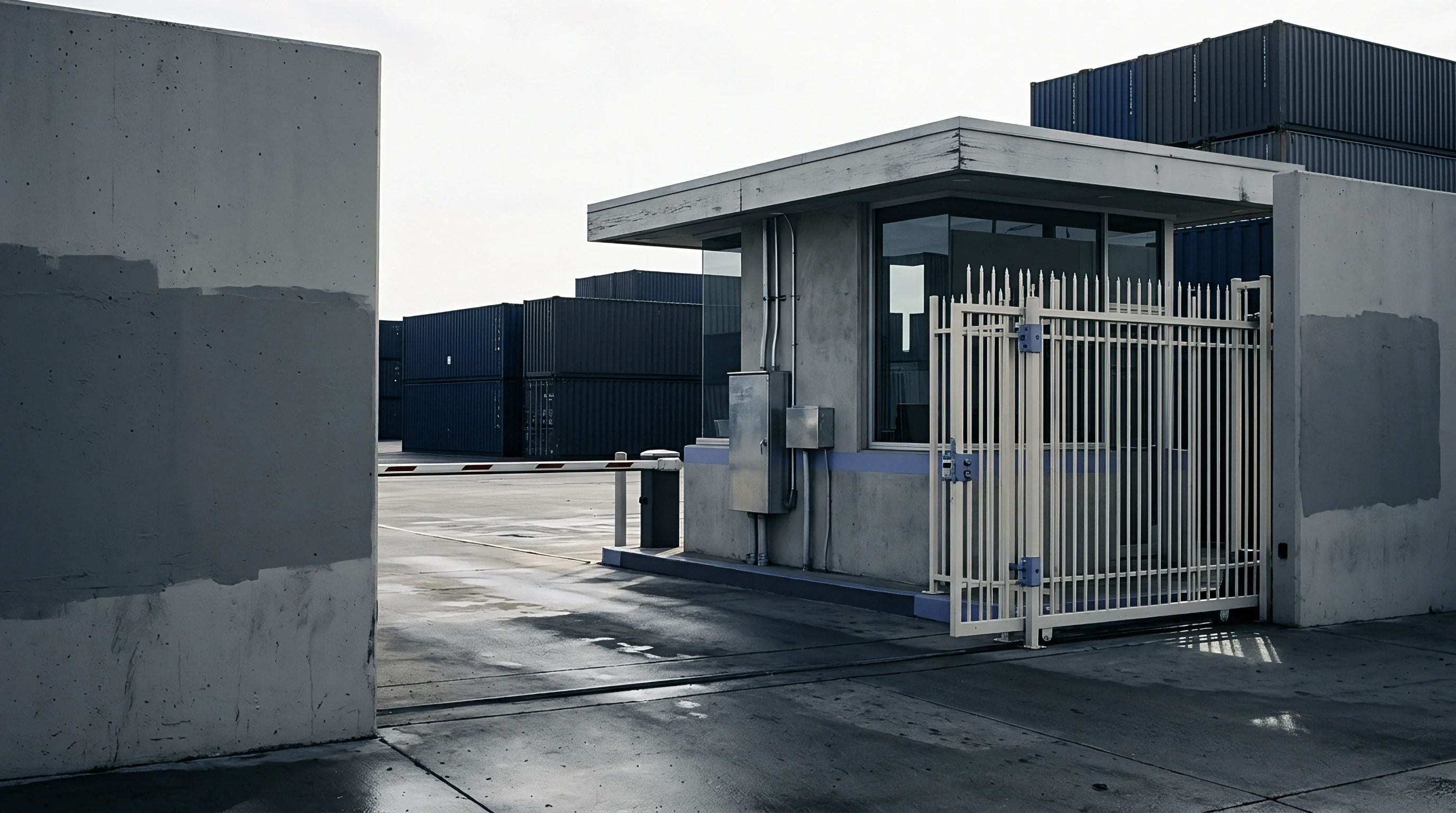
Industrial enclaves enforce physical exit controls through customs police, automated scale checkpoints, and security gates. Zone authorities control gate passes. The customs bureau operates independently of the civil bankruptcy court.
Customs bonds remain active liabilities for the bailor even while physical assets sit locked behind an insolvency seal.
Customs authorities assert independent tax liens over equipment imported under bonded status. When a manufacturing debtor enters liquidation, the local customs bureau audits import quotas and duty exemption permits granted under export processing regulations. If the debtor failed to export required manufacturing volumes or diverted duty-free materials into the domestic economy, customs officials assess significant retroactive tariff penalties and value-added taxes.
Export clearance halts without tax clearance. Customs officers frequently refuse to permit tooling extraction until outstanding enterprise duties and zone penalties are satisfied by the debtor or paid directly by the foreign bailor seeking physical retrieval.

Customs Dossier for Bonded Asset Evacuation
Evacuating bonded machinery requires assembling a specialized customs clearance dossier. Customs inspectors reject extraction declarations when asset serial numbers deviate from original import declarations logged years earlier. Missing commercial documents, lapsed temporary importation bonds, or incomplete equipment logbooks trigger comprehensive physical customs inspections that delay dispatch by several months.
- Original Import Customs Declarations prove initial bonded entry parameters, tariff classifications, and temporary importation permit numbers.
- Certified Judicial Separation Judgments verify legal ownership transfer and authorize physical removal from the insolvency estate.
- Export Processing Enterprise Terminations formalize cancellation of bonded processing handbooks issued to the bankrupt vendor.
- Local Tax Clearance Certificates confirm corporate income tax, withholding tax, and municipal property obligations associated with the machinery are settled.
- Customs Bond Replacement Guarantees provide new financial guarantees covering export transit from the SEZ plant to the international container terminal.
Physical extraction involves heavy rigging logistics under tight municipal supervision. Rigging contractors face structural and logistical obstacles when removing heavy machinery from distressed industrial plants. Factory landlords frequently lock overhead crane controls, cut electrical utility feeds, or block loading docks with scrap material to force payment of delinquent plant lease arrears.
Security guards deny plant entry. The extraction team must coordinate municipal police escorts, industrial rigging crews, heavy haul transport flatbeds, and mobile crane operators to complete physical loading within the judicial execution window.

Logistical Cost Bands for Physical Extraction
Physical extraction expenses add substantial financial burdens to cross-border legal recovery campaigns. The table below details realistic operational cost bands associated with rigging, local overland transport, customs duties settlement, and deep-water ocean freight for heavy tooling extraction from special economic zones.
| Operational Cost Element | Cost Determinant | Typical Cost Band (USD) | Settlement Timing |
|---|---|---|---|
| Industrial Rigging and De-installation | Tool mass, press disassembly, crane rental | 12,000 to 35,000 | Pre-operation mobilization |
| Customs Duties and Retroactive VAT | Depreciated asset value, original tariff rate | 25,000 to 95,000 | Prior to exit gate pass issuance |
| Outstanding Factory Landlord Arrears | Negotiated settlement for utility/dock access | 15,000 to 45,000 | Access authorization payment |
| Bonded Heavy Transport to Port | Permitted oversized road transit routes | 4,500 to 12,000 | Upon departure from SEZ gate |
| International Ocean Freight (Flat Rack) | Weight, container type, port terminal handling | 8,000 to 22,000 | Bill of lading issuance |
Physical recovery remains viable only when replacement lead times threaten primary market commercial viability. If new tooling fabrication requires nine months and five hundred thousand dollars, investing one hundred eighty thousand dollars in litigation, customs clearance, and heavy rigging represents a rational operational decision. When specialized dies remain trapped inside a shuttered industrial zone, physical possession governed by local customs procedures supersedes paper ownership recorded on foreign balance sheets.