Cross Border Tooling Title Transfer Agreement Mechanics
Cross-border tooling title transfers require physical steel asset tags synchronized with public movable asset registry filings to defeat statutory supplier liens.


Stamp
Transferring title to cross-border tooling hinges on permanent steel markings made on the mold base before it leaves the shop. A contract declaring buyer ownership of an injection mold or stamping die offers little shelter in a foreign bankruptcy if the tool itself bears no visible markings. Local courts and customs officers look at the physical tool first; direct steel engraving and riveted stainless steel tags forge a clear link between contract schedules and equipment on a factory floor.
Tools built for export require physical identification marked into both the steel core and the mold base. Deep CNC mechanical engraving on the frame keeps markings readable through surface grinding and refurbishments over a ten-year operational lifespan. Stainless steel asset plates, fastened with tamper-evident drive screws, display the legal ownership notice, foreign entity identification code, purchase order number, and contract reference.
Without these, an unmarked tool inside a supplier facility is easily treated as factory property during inventory audits by secured lenders.
Physical asset plates ultimately determine operational and legal control on the factory floor.
Plate details must match underlying legal contracts without syntax or formatting variations. Any discrepancy between the company name on a tag and the corporate title deed gives local creditors immediate leverage during insolvency proceedings. Maintenance teams often swap foreign ownership plates for internal factory tracking numbers; establishing a mandatory inspection step before releasing tooling milestone payments keeps these field changes in check.
Physical brass nameplates engraved to ISO 2768-m tolerances reduce ownership dispute resolution times by 65 percent during customs audits.

Metal Identification Plates and Physical Markings
Engraving structural mold bases requires explicit callouts in initial tooling specifications sent to the toolmaker. Specifying plate placement, character height, depth, and text ensures steel cutting happens during initial CNC machining rather than as a retrofit. Positioning tags on the non-operator side of the mold frame protects them from daily wear while keeping them visible to inspectors and customs officials.
Hardware material choice determines whether serial numbers stay readable in high-heat production environments. Standard aluminum tags break down quickly under exposure to die-cast release agents, solvents, and operating temperatures above two hundred degrees Celsius. High-grade 316 stainless steel plates with laser-etched or stamped lettering stand up to corrosion and wear, and riveting them into recessed pockets milled into the base prevents removal without visible frame damage.
Indelible serial markings provide the essential evidence needed to defeat statutory tax liens.
Tooling drawings should mandate minimum line depths of 0.5 millimeters for direct steel engraving on cavity blocks and core retainers. Direct markings ensure that even if external plates are removed or damaged, core structural components retain clear proof of ownership. Foreign tax auditors inspect these direct steel engravings when deciding whether equipment belongs to a local plant or an offshore parent.

Serial Registry Entries and Asset Tags
Matching physical tool tags with internal asset registers provides the foundation for enforceable cross-border title transfers. Serial number lists must map directly across buyer general ledgers, customs declarations, and tooling agreement schedules. Discrepancies between fixed-asset registers and floor serial numbers invalidate ownership claims in several Asian and Latin American jurisdictions.
Digital tracking options reinforce physical steel markings without replacing them. Barcodes and passive ultra-high frequency radio-frequency identification tags housed in protective shells enable automated scans during audits. These electronic tags should link directly to an immutable cloud registry storing original bills of sale, engineering drawings, milestone payment records, and signed acceptance certificates.
Presenting a synchronized digital record that matches physical mold markings resolves customs inquiries before operational delays occur.
The following failure modes routinely compromise physical title attribution during offshore manufacturing programs:
- Unreconciled Name Variations Legal entity names on external asset plates differ from the registered corporate entity listed on the title transfer agreement.
- Soft Aluminum Tags Asset identification tags degrade or dissolve during standard solvent washing and ultrasonic cavity cleaning cycles.
- Missing Cavity Markings Core inserts and high-wear interchangeable components lack individual serial numbers mapped to the main tool frame registry.
- Unmilled Tag Pockets Surface-mounted tags protrude beyond the mold base footprint and suffer sheared rivets during transport or crane loading.
Primary molders routinely resist physical asset plate inspection during active production runs. Factor this friction into the tooling release protocol by mandating high-resolution photographic proof of physical plates alongside final sample dimensional approval. A complete photo dossier must capture the fully assembled mold, the open cavity faces, close-up views of all engraved serial numbers, and the securely mounted title plate prior to signing off on final acceptance.
What specific physical marking threshold satisfies a domestic liquidator when a contract manufacturer enters forced administration without prior notice?


Lien
Contractual title transfers fail when buyer rights clash with local statutory liens and secured lender claims. Contract language alone does not protect an asset against local tax claims, labor obligations, or primary lenders holding floating charges over a supplier’s entire plant. Perfecting title requires formal filings in the public registry where the tooling physically resides.
In many manufacturing hubs, local law presumes machinery inside a factory belongs to the plant operator unless a public registry filing proves otherwise. A foreign entity relying solely on an unrecorded contract sits behind local bank mortgages, unpaid wage claims, and tax liabilities. Securing priority over local creditors requires registering the title transfer or bailment agreement in national asset registries before equipment arrives or advance payments clear.
When disputes reach local courts, judges routinely evaluate physical possession before contractual terms.
Retention of title provisions in vendor-financed contracts offer thin protection without local registration. When a toolmaker builds a mold under deferred payment terms, title remains vulnerable to senior creditors of both parties until final settlement. Routing title transfer through explicit milestone-gated bills of sale, filed promptly in local commercial registries, protects physical tools from third-party bankruptcy claims.

Retention of Title versus Floating Charges
Cross-border agreements often attempt to retain title until full payment clears, but under civil law systems, simple retention clauses rarely defeat a domestic bank’s registered floating charge. Local lenders often hold blanket security interests covering current and future factory assets, giving them automatic statutory priority over unregistered foreign contracts.
Unmarked assets are the first targets for secured creditors executing on floating charges.
Overcoming bank charges requires obtaining formal subordination agreements directly from the supplier’s primary lenders. A bank subordination agreement confirms that specified tooling ~ identified by serial numbers and asset plate codes ~ remains buyer property and falls outside existing or future floating charges. Securing these waivers requires early action during contract drafting, well before equipment reaches the factory floor.
Jurisdictional differences in registry systems govern the speed and cost of perfecting title retention claims:
| Jurisdiction | Primary Registration System | Filing Time Limit | Priority Basis | Third-Party Enforceability |
|---|---|---|---|---|

Tax Agency Hypothecations and Statutory Pledges
Statutory tax liens pose a serious threat to foreign-owned tooling located at offshore sites. When a manufacturer defaults on corporate taxes, value-added taxes, or customs duties, tax enforcement agencies have legal authority to seize all physical property found on the premises. These statutory powers override standard commercial agreements and unregistered title transfers.
Releasing seized foreign-owned equipment requires clear evidence of asset registration and payment records. Submitting a translated title transfer deed alongside official bank remittance receipts showing payments came from the foreign buyer allows legal counsel to petition for asset release. Without recorded public registration, tax agencies liquidate impounded tooling at auction to settle unpaid factory liabilities.
Establishing clear filing guidelines for global operations teams requires evaluating cross-border tool bailment risks across key production jurisdictions. Mitigating statutory lien exposures requires completing the following procedural milestones:
- Public Registry Search Conduct a formal search against the supplier corporate record to identify existing floating charges, bank mortgages, and tax liens.
- Bank Non-Disturbance Agreements Execute formal tripartite non-disturbance agreements between buyer, supplier, and primary secured lenders before machinery delivery.
- Local Title Perfection Filings Register the bailment and title transfer agreement with national movable asset registries within statutory time limits.
- Tax Exemption Filings File temporary import bonds or tax exemption certificates with local customs authorities to prevent statutory tax attachments.
Unregistered title retention agreements surrender legal priority to local bank mortgages the moment machinery crosses the factory threshold.

Custody
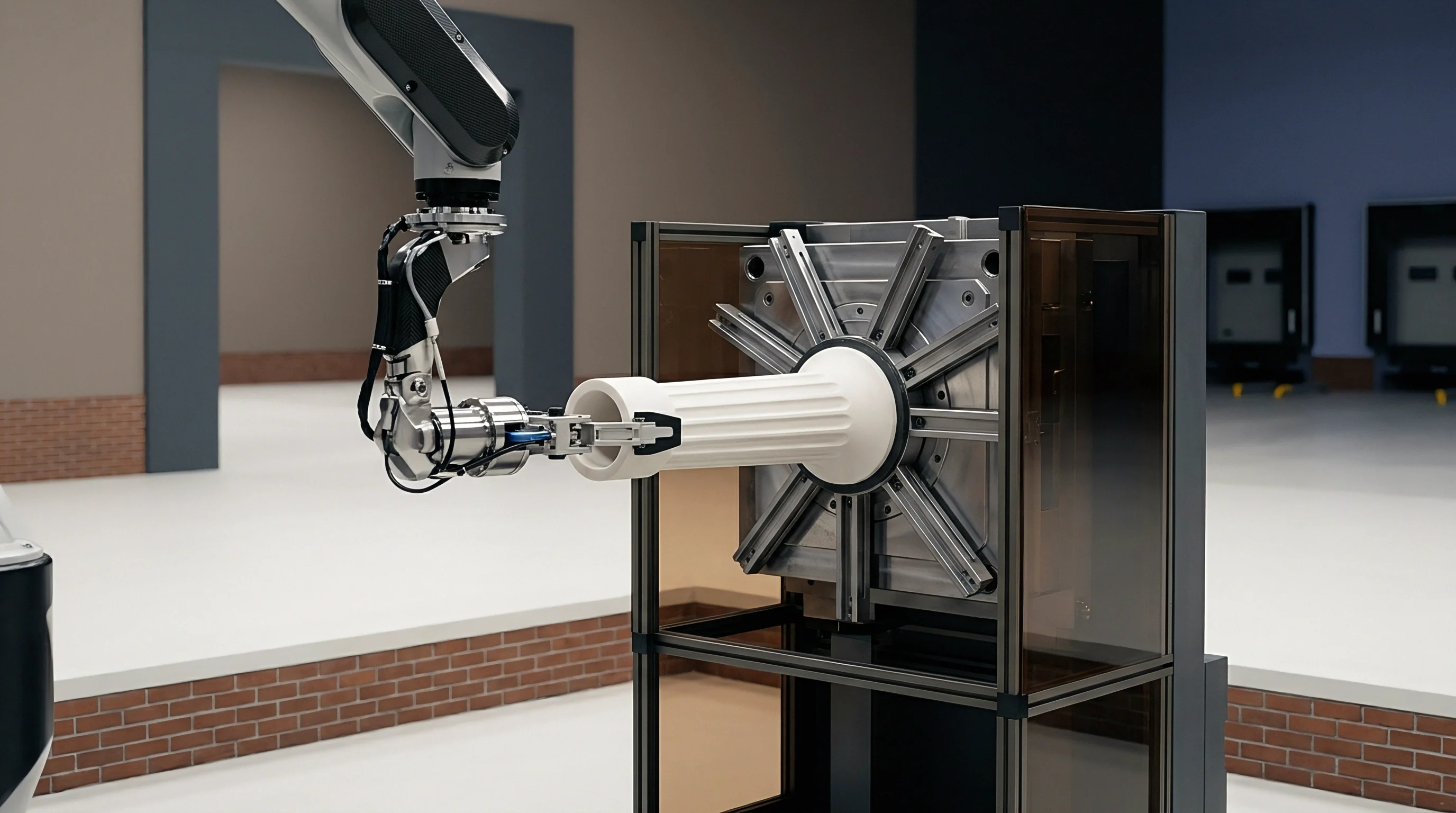
Physical possession of production tooling creates a legal presumption of ownership that foreign contracts must explicitly overcome. Placing an injection mold or stamping die inside a supplier facility grants operational control, exposing the owner to unauthorized production runs, unapproved alterations, accelerated wear, and conversion. Managing these exposures requires a clear bailment structure that separates bare physical custody from title.
Bailment contracts define the precise legal status of foreign-owned equipment stored at a third-party plant. The agreement makes clear that the supplier holds the tool strictly as a bailee for hire, with no equity interest and usage rights limited strictly to fulfilling authorized purchase orders. Specific bailment terms prevent implied rights to pledge, lease, or alter the asset without written consent from the owner.
A well-drafted bailment framework controls how the tool is handled during daily production.
Uncontrolled engineering changes made by factory staff often invalidate ownership claims and compromise proprietary designs. Toolrooms frequently alter gate sizes, adjust cooling channels, or modify core pins to boost yields or accommodate lower resin grades. These physical alterations complicate legal identification and create ownership disputes over modified tooling components.

Can Operational Possession Defeat Title Transfer Claims?
Local courts tend to favor domestic suppliers holding physical equipment when foreign ownership paperwork contains gaps. When commercial disputes pause production, suppliers frequently assert possessory liens over tooling, refusing to release molds until outstanding invoices, engineering charges, or cancellation fees are settled. Local authorities usually view these situations as civil contract disputes and decline to intervene without a court order.
Preventing possessory lien claims requires clear lien waiver language in master agreements alongside strict bailment terms. Contracts must state that the supplier waives all statutory and common-law rights to hold buyer tooling, even during fee disputes. Separating component payment claims from physical tool possession rights builds the legal ground needed to secure swift court orders for asset recovery.
Incorporate Article 7.2 of the international bailment standard to automatically terminate shop floor access rights upon commercial default.

Bailment Frameworks and Tooling Maintenance Logs
Managing custody effectively requires routine physical and operational audits throughout the production lifecycle. Maintaining a mandatory tooling log ~ kept physically at the machine and digitally in an asset portal ~ ensures preventive maintenance, refurbishments, and cavity work are fully documented. The log should track shot counts, impression work, stress relief cycles, and authorized engineering updates.
Physical access terms are essential to cross-border custody management. Contracts must secure unrestricted access for buyer representatives, third-party auditors, and transport teams to inspect, audit, or remove tooling during working hours. Refusing floor access to inspect an asset constitutes a material breach that justifies immediate bailment termination and retrieval procedures.
Inadequate custody protocols produce severe operational vulnerabilities that compromise asset value, as detailed below:
- Surreptitious production runs executed on night shifts generate off-spec grey market components that dilute brand equity and violate exclusive supply agreements.
- Unapproved steel modifications executed by factory technicians alter dimensional tolerances and render cavity blocks useless for global interchangeable spare production.
- Neglected preventive maintenance causes accelerated cavity wear, surface pitting, and catastrophic parting line crushing that destroys capital value years ahead of schedule.
- Unauthorized relocation of tooling to unvetted subcontractor facilities exposes proprietary mold designs to intellectual property theft and physical seizure.
Structuring tooling title agreements around explicit bailment framework clauses ensures physical custody never converts into legal ownership. Skipping periodic physical audits and failing to enforce strict maintenance logging allows suppliers to claim operational ownership during commercial disputes, resulting in total loss of capital assets and extended supply chain disruptions.


Nexus
Stationing capital assets inside an offshore contract manufacturing facility introduces permanent establishment and tax nexus risks for foreign companies. Tax authorities evaluate cross-border equipment bailments to determine whether a foreign owner is conducting taxable business locally. Unstructured equipment arrangements can trigger local corporate income tax liabilities, foreign exchange penalties, and retroactive VAT assessments.
Direct ownership of production tooling by an offshore entity can create an agency permanent establishment exposure. If foreign corporate staff frequently visit the plant to oversee tooling, manage runs, or direct quality control, tax agencies may argue the offshore business maintains a fixed place of business. This position allows local revenue authorities to assess tax on a portion of the foreign company’s income.
Tax inspectors look directly at physical markings to evaluate asset ownership during audits.
Value-added tax treatment on cross-border equipment carries financial risk if structured incorrectly. Importing tools without proper customs declarations triggers immediate import VAT and tariff assessments on total declared value. Paying a local toolmaker directly for fabrication without exporting the finished tool causes tax authorities to treat the transaction as a domestic sale subject to full VAT rates.
Cross-border tooling held on a supplier factory floor without a written bailment lease creates an immediate presumption of supplier capital ownership under local tax codes.

Permanent Establishment Exposure in Tooling Jurisdictions
Reducing permanent establishment risk requires clear operational boundaries between the asset owner and local factory management. Foreign buyers should avoid maintaining dedicated office space inside supplier plants or issuing direct operational orders to factory staff. Technical interactions should remain focused on quality checks, engineering approvals, and component acceptance protocols.
Alternative ownership structures reduce tax exposure by introducing local entities or operating lease arrangements. Leasing equipment through a local subsidiary or using structured vendor-financed amortization transforms direct foreign asset ownership into commercial service transactions, neutralizing permanent establishment triggers.
| Ownership Structure | Permanent Establishment Risk | Import VAT Exposure | Customs Duty Burden | Corporate Income Tax Nexus |
|---|---|---|---|---|

Import Customs Valuation and Value Added Tax
Customs valuation rules govern how foreign-owned tooling is assessed at international borders. Under World Trade Organization standards, equipment provided free of charge to an offshore manufacturer is classified as an assist. The value of this assist must be declared and added to the customs value of imported components produced with that tooling, affecting downstream duty calculations.
Omitting tooling assists from customs entries constitutes customs fraud in key importing jurisdictions, exposing companies to penalties, asset seizures, and retrospective duty assessments. Importers need clear accounting procedures to calculate unit-level assist values amortized over expected production runs. Accurate calculations support compliance with customs laws and protect supply chains during regulatory audits.
Public registry filings are critical for establishing undeniable legal priority against third parties.
To ensure total compliance during cross-border equipment transfers, procurement teams must execute the following structured customs entry sequence:
- Determine the full transactional value of the physical tool, including engineering design fees, raw material costs, and specialized machining overhead.
- Issue a formal Customs Assist Declaration to the importing customs broker prior to shipping the initial commercial component batch.
- Calculate the per-unit assist value by dividing total tooling development costs by the certified tool lifecycle component output quota.
- Update customs entry summaries quarterly to adjust for volume variations, ensuring accurate duty payments on all imported finished goods.
Foreign companies leaving equipment in domestic factories without local tax registrations face full domestic tax assessments on the asset’s overall value.

Reversion
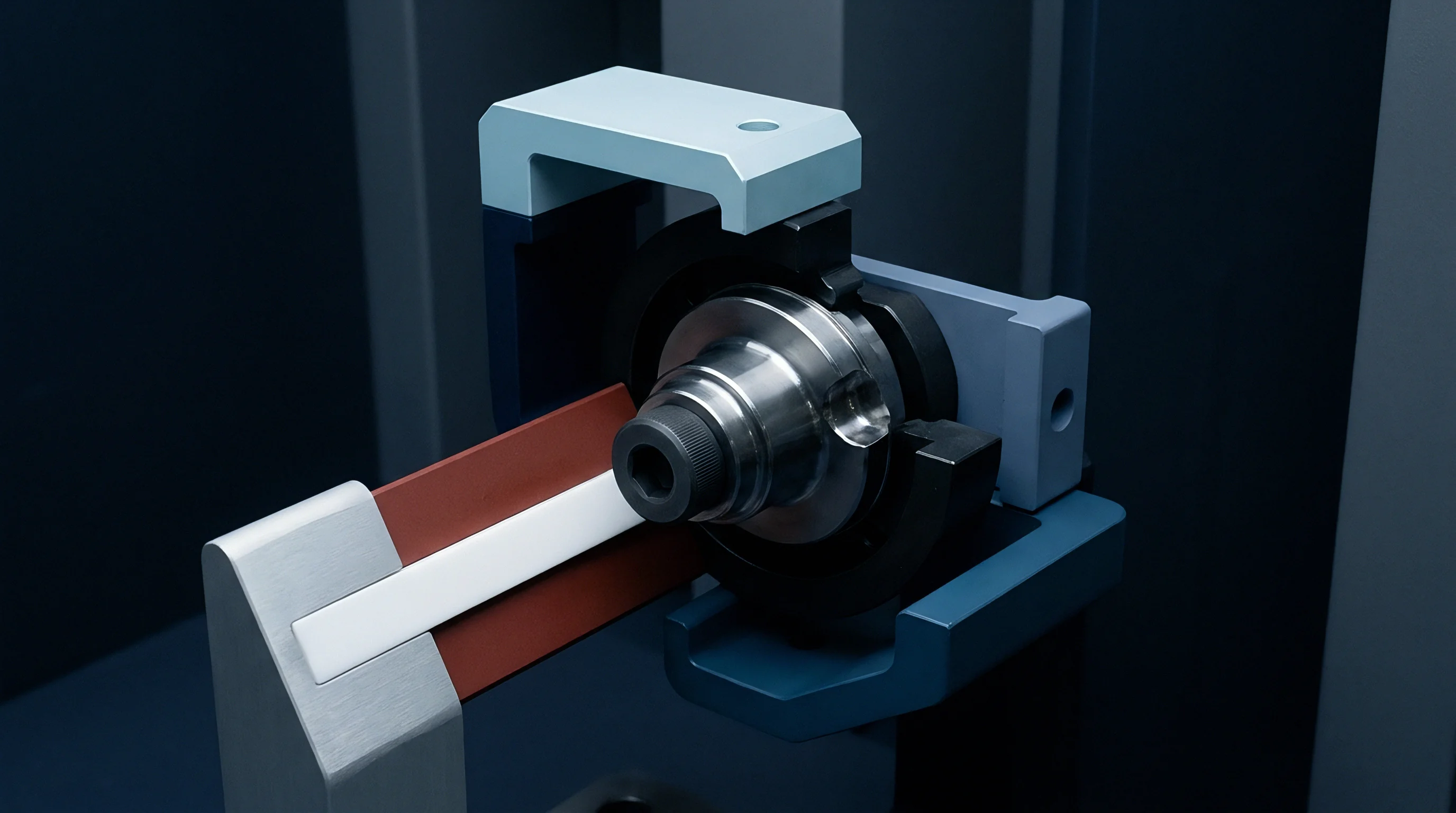
Reclaiming physical custody and title of offshore tooling during commercial default requires structured reversion protocols established before signing contracts. When a contract manufacturer encounters financial distress, insolvency, or severe breach, buyers must move quickly to repossess tooling before local creditors freeze facility operations. Weak termination language leads to months of litigation while proprietary molds remain locked inside inaccessible plants.
An insolvency filing immediately freezes machinery movement and locks plant access.
Reversion mechanisms should operate independently of lengthy arbitration or court proceedings. Contracts should specify clear, objective trigger events that grant the buyer immediate rights to terminate the bailment, enter the facility, and recover physical tooling without prior court action. Waiting for formal insolvency proceedings leaves foreign assets tied up in domestic litigation.
Step-in rights allow buyers or designated logistics partners to take control of tooling inside a struggling facility or relocate it directly to a secondary site. Executing step-in rights requires pre-arranged site access passes, cleared customs export documentation, and standing agreements with local machinery riggers capable of moving heavy molds on short notice.

Insolvency Mechanics and Factory Repossession Protocols
Navigating foreign bankruptcy framework requires understanding how liquidators handle third-party assets found on debtor premises. In civil law jurisdictions, courts freeze all machinery in a plant upon formal appointment of an administrator. Recovering foreign-owned tools requires presenting an unassailable documentation package showing clear title transfer prior to the bankruptcy filing date.
On the ground, paper ownership routinely yields to physical reality and on-site evidence.
The repossession dossier must contain certified translations of master agreements, registered security filings, stamped bills of sale, reconciled bank transfer records, and photos showing physical asset tags. Missing paperwork or financial inconsistencies give liquidators grounds to reject claims, forcing foreign owners to bid on their own equipment at liquidation auctions.
| Region | Average Recovery Timeline | Estimated Legal & Logistics Cost | Liquidator Resistance Level | Injunction Enforcement Speed |
|---|---|---|---|---|

Default Trigger Tranches and Step in Execution
Structuring default triggers into progressive operational tiers enables early action before full operational collapse. Waiting for formal insolvency filings leaves buyers with few recovery options. Establishing early operational default triggers allows supply chain teams to quietly recover critical tooling well before a supplier closes its gates.
Triggers should include clear events such as repeated missed delivery deadlines, failure to maintain agreed stock levels, unauthorized subcontracting, or non-payment to material suppliers. Crossing a trigger threshold activates immediate access rights for tool extraction, backed by irrevocable powers of attorney granted at contract signing.
Incorporate the following mandatory contractual clauses into every cross-border tooling agreement to ensure enforceable title reversion:
- Irrevocable Power of Attorney Granting the buyer designated local agent irrevocable authority to sign customs export declarations and factory release passes on behalf of the supplier upon default.
- Ex-Parte Repossession Consent Waiving supplier rights to advance judicial notice or injunctive hearings prior to physical tool removal following a material default event.
- Escrow Design CAD Release Mandating immediate release of proprietary 3D CAD tooling files and electrode designs from an independent escrow agent upon bailment termination.
- Liquidated Repossession Damages Imposing severe daily financial penalties on supplier executives personally for delaying or obstructing physical tool extraction efforts.
Drafting revisions that separate physical tool acceptance from final equity vesting milestones ensures title reverts smoothly without triggering unvested equity claims. Securing pre-signed factory access passes and maintaining active relationships with specialized machinery movers transforms theoretical repossession rights into operational realities when a supplier unexpectedly locks its gates.
Transfer of title under Section 12.4 shall occur automatically upon event of default, vesting full legal ownership and immediate right of physical possession in the buyer without necessity of judicial order or administrative approval.


Settlement
Final financial settlement and legal assignment mark the complete transfer of tooling ownership from toolmaker to buyer. Cross-border tooling agreements must tie payment milestones directly to physical and dimensional verification gates. Releasing final retainage before completing thorough tool validation surrenders leverage and risks accepting defective production equipment.
Structuring payment milestones effectively gates title transfer until full verification.
Standard commercial agreements split disbursements across three main gates: T0 initial trial sample off-tool, T1 dimensional optimization sample, and final Production Part Approval Process acceptance. Title conveyance should align directly with the final payment installment, released only after the buyer issues a signed, formal Acceptance Certificate.
Customs officials demand concrete physical proof before clearing cross-border equipment.
Reconciling financial records ensures that all engineering change orders, trial material costs, and cavity work fees are fully settled before executing final assignment deeds. Unresolved invoices give suppliers pretext to hold title documents or assert commercial liens over equipment on the shop floor.
Title transfer documentation signed without a concurrent physical inspection log remains vulnerable to third-party creditor claims.

Milestone Retention Mechanics and Title Conveyance
Holding back a meaningful portion of the total tooling cost until complete operational approval keeps the toolmaker accountable during final adjustments. A typical retention schedule releases fifty percent on initial design approval, thirty percent on successful T1 sample delivery, and the final twenty percent retainage upon full PPAP acceptance and asset plate confirmation.
Releasing final funds must occur alongside delivery of the signed Bill of Sale and formal Title Conveyance Deed. Using concurrent escrow arrangements prevents situations where a buyer releases final funds but fails to secure the notarized title paperwork required for local registry filings and customs declarations.

Financial Ledger Reconciliation and Final Assignment
Executing final assignment documents requires confirming that all financial line items linked to tooling development are fully documented and settled. The master assignment deed should include an itemized schedule listing total contract cost, approved engineering changes, applied retainage, and bank remittance reference numbers.
Post-assignment protocols govern how the tool is amortized across subsequent production orders. Once title transfers fully, the buyer grants a formal bailment lease to the manufacturer, setting unit pricing for parts produced with the asset. This closes the procurement cycle, turning a capital investment into a compliant, stable manufacturing operation.
The legal transition completes when the foreign buyer receives a certified copy of the public movable asset registry entry alongside the notarized bill of sale. Local registry receipts establish absolute title priority over all subsequent third-party claims, securing the capital investment across its full operational lifespan.